Dave Sinclair Lincoln St. Peters

Blog / St. Peters Lincoln Service

Blog

All St. Peters Lincoln Service St. Peters Lincoln Dealer Dave Sinclair Lincoln St. Peters Service Lincoln Aviator Lincoln Corsair Lincoln Nautilus Lincoln Navigator St. Peters Used Cars COVID 19
Family walking toward a white Lincoln Aviator parked in their home driveway

How Lincoln Mobile Service Works in St. Charles County

Service  |  St. Peters, MO Which Lincoln jobs a technician can handle in your driveway or office lot, which ones still need the shop, and how to set up a visit. Plenty of Lincoln owners in St. Charles County never come out to North Service Road for routine work anymore. The technician comes to them. A van shows up in the driveway in O'Fallon or the parking lot of an office park off Mid Rivers Mall Drive, the work gets done, and the owner never leaves the kitchen table or the conference room. That's Lincoln Mobile Service. It covers a longer list of jobs than most people expect, and it has some limits worth knowing before you book. We'll go through what it handles, how a visit goes, what to have ready, and when you're better off bringing the car to us. Quick answer: Lincoln Mobile Service sends a technician to your home or office for jobs like oil and filter changes, batteries, tire rotations, wiper blades, fluids and filters, bulbs, software updates, diagnostic scans and recall work. Bigger repairs still happen in the shop. Call 636-441-4400 or use the Lincoln app to see if your job and location fit a mobile visit. Where it happens Your home or office Good fit Routine maintenance and recalls Still needs the shop Bigger repairs In this post What mobile service is What it covers How a visit goes Getting ready Mobile or the shop What Is Lincoln Mobile Service? Lincoln describes it as automotive service performed at the location you pick, at the time you prefer. In practice, a trained technician brings tools, parts and equipment in a service vehicle and does the work where your Lincoln is already parked. You hand over the key, go about your day, and get it back when the job's finished. It isn't a full shop on wheels. Lifts, alignment machines and heavy diagnostic equipment stay at the dealership. What it does well is the steady stream of routine work that keeps a Lincoln healthy, the jobs that used to cost owners a morning in a waiting room. Which Services Can Be Done at Your Home or Office? The Lincoln Mobile Service list is longer than people guess. It includes: Oil and filter changes, plus other fluids and filters Battery testing and replacement Tire rotation, and tire repair or replacement when properly equipped Wiper blade replacement, lamps and bulbs Diagnostic scanning and software updates Field service actions and recalls Accessory installs, windshield chip repair and brake services Collision is on the published list too, which usually means smaller jobs, since serious body work needs our Body Shop and Collision Center. Not every job is available every day or at every address. When you book, tell us exactly what you need and where the car will be, and we'll confirm whether a mobile visit fits. Recalls are one of the handiest uses. Many recall fixes are software updates or quick part swaps, and getting one done in your driveway means you aren't putting it off for months. How Does a Mobile Service Visit Work? 1 Book it Call 636-441-4400 or schedule through the Lincoln app. Tell us the job, your address and the window that works. 2 Get confirmation We confirm the job is a mobile fit and that the right parts will be on the van. 3 The technician arrives They check in with you, look over the vehicle and talk through anything they notice. 4 Work gets done on site Most routine jobs are finished while you're working or home doing something else. 5 Wrap up You get a rundown of what was done and anything the technician recommends for a later visit. Ask about cost and eligibility when you book. The mobile service page doesn't list fees or who qualifies, so we'd rather give you a straight answer on the phone than guess here. Schedule Service Book in the Lincoln App What Should You Have Ready Before the Technician Arrives? A little setup makes the visit go faster. Park on a flat, firm surface with room to open the doors and the hood. A level driveway works. A steep slope or a soft gravel shoulder doesn't. If you live in an HOA neighborhood or the visit is at an office, check the parking rules first so nobody gets a note on the windshield. Leave the key where you agreed, or meet the technician. Clear out the cargo area if the job involves tires or a spare. If a warning light or noise has been bothering you, write it down and mention it. A detail like when it happens can save a lot of time. St. Peters driver tip Mobile visits work great in the summer if you plan for shade. A technician working on a black Lincoln Navigator in a full sun driveway in Cottleville at 2 PM in August is working in an oven. If you can, book a morning slot or leave the car in the shade of the house. It isn't a full shop on wheels. When Should You Bring Your Lincoln to the Shop Instead? Anything that needs a lift, a long diagnosis or heavy equipment belongs in our service bays. That includes most transmission work, suspension repairs, alignments, serious collision damage, cooling system repairs and hard to find electrical problems. If you aren't sure, call and describe the problem. We'll tell you which way makes sense. There's also a middle option. If your Lincoln is within the 4 year or 50,000 mile new vehicle limited warranty, Pickup and Delivery is complimentary. We pick the car up, leave a Lincoln loaner, do the work in the shop and return it washed. You get the shop's full capability without driving out to St. Peters. Book it your way Ask for a mobile visit, a shop appointment or Pickup and Delivery online, in the Lincoln app, or at 636-441-4400. Pickup and Delivery comes at no charge for vehicles inside the 4 year or 50,000 mile new vehicle limited warranty, with a Lincoln loaner while we have yours. Read About Pickup and Delivery Questions Owners Ask About Mobile Visits Do I have to be home for a mobile service visit? + Not always. Many owners leave the key in an agreed spot. Talk it through when you book so the technician knows what to expect. Can a mobile visit happen at my office? + Yes, as long as the vehicle is parked somewhere safe for the work and the lot allows it. Check with building management first. What happens if it rains during my appointment? + Some jobs can go ahead in light rain and some can't. We'll contact you if the weather means moving the visit. Questions Owners Ask About What Mobile Covers Can I get an oil change through Lincoln Mobile Service? + Yes. Oil and filter changes are among the jobs mobile service can do at your location. Can mobile service handle a recall? + Recalls and field service actions are on the mobile service list. Give us your VIN when you book so we can confirm the parts are ready. Can a technician replace my tires at home? + Tire repair and replacement are offered when the mobile unit is properly equipped. Call ahead so we can check for your tire size and job. Questions Owners Ask About Scheduling How far ahead should I book a mobile visit? + Book as early as you can, especially before holidays. Openings depend on the day and the area. Can I book mobile service in the Lincoln app? + Yes. You can schedule service through the Lincoln app, or call 636-441-4400. Does mobile service come to Lake Saint Louis and Cottleville? + Service areas can change, so give us your address when you book and we'll confirm coverage. Questions Owners Ask About Cost and Coverage Is Lincoln Mobile Service free? + The mobile service page doesn't list costs, and they can depend on the job and the vehicle. Ask when you book and we'll tell you up front. Does warranty work count for mobile service? + Coverage depends on the vehicle and the repair, not where the work happens. Your advisor will check your warranty status by VIN when you book. Are there specials on mobile service jobs? + Current specials apply to many services. Check the service and parts specials page before you book. Questions Owners Ask About Our Service Department What are the service department hours? + Monday through Thursday 7 AM to 7 PM, Friday 7 AM to 5:30 PM and Saturday 8 AM to 5 PM. Closed Sunday. Where is the shop if I need to bring the car in? + We're at 4760 North Service Road in St. Peters, along I-70. Can I switch from a mobile visit to a shop appointment? + Yes. If the technician finds something that needs a lift or more time, we'll help you set up a shop visit or Pickup and Delivery. Need the Full Shop Bigger repairs and diagnostics happen in our service bays. Visit Our Service Department Check Current Specials See what's running on service and parts this month. Service Specials

Black Lincoln Aviator parked in the sand dunes on a hot summer day

Lincoln Cooling System Check: Avoiding a July Overheat

Service  |  St. Peters, MO What makes an engine run hot in a Missouri July, the early signs owners miss, and the right move if the warning comes on in traffic. Picture the Blanchette Bridge at five on a Friday in July. It's 96 degrees, the traffic is crawling east, and the AC is running flat out. Under the hood, your engine is making a lot of heat and getting very little air to carry it away. That's the exact moment a cooling system with a small problem stops keeping up. Overheating is one of the few car problems where a few minutes can turn a modest repair into a major one. The good news is that cooling systems usually show signs well before they fail. We'll cover why summer is the risky season, what to watch for, what to do if the warning comes on, and what our technicians check. Quick answer: If your Lincoln shows a high temperature warning, smells sweet like syrup, leaves green, orange or pink drips, or the coolant level keeps dropping, have the cooling system checked soon. If it overheats while driving, turn off the AC, pull over safely, shut the engine off and don't open the coolant cap while it's hot. Riskiest moment Stop and go heat Early clue Coolant level dropping Never do this Open a hot cap In this post Why July is risky Warning signs If it overheats What we check Preventing an overheat Why Do Engines Overheat More in a Missouri Summer? The cooling system moves heat from the engine to the outside air. Coolant runs through the engine, picks up heat, and flows to the radiator up front, where air passing through the fins cools it off. A water pump keeps it moving, a thermostat decides when it flows, and electric fans pull air through when you aren't going fast enough to do it yourself. Hot days shrink the margin. When it's 95 outside, the air passing through the radiator is already warm, so it can't carry as much heat away. Add stop and go traffic, a full car, a hill or a trailer, and the AC condenser dumping its own heat in front of the radiator. A system that's fine in April can come up short on a July afternoon. Most of the time the cause is ordinary. Coolant gets low from a slow leak, a fan stops working, a thermostat sticks, or an aging pump stops moving enough fluid. Catching it early keeps it ordinary. What Are the Early Signs of a Cooling System Problem? These usually show up days or weeks before a real overheat. Take any of them seriously in summer. Temperature warning or a high gauge A message on the cluster, or a gauge reading higher than it normally does in traffic. A sweet smell Coolant has a syrupy smell. Noticing it around the car or through the vents often means a leak. Colored drips Green, orange or pink spots under the front of the car. Coolant colors vary by type. Coolant level keeps dropping If you've added coolant once and it's low again, it's going somewhere. Steam or a hiss Steam from under the hood or a hissing sound after you park. Stay back and don't open the hood right away. Coolant is toxic and tastes sweet to pets. If you see a puddle in the garage, clean it up quickly and keep dogs and cats away from it. What Should You Do If Your Lincoln Overheats? Stay calm and act quickly. Driving on with an overheated engine is how a hose replacement becomes an engine replacement. 1 Turn off the AC That takes some load off the engine and stops the condenser from adding heat in front of the radiator. 2 Get off the road safely Signal, move to a safe spot well off traffic, and put the hazards on. 3 Shut the engine off Let it sit. Don't open the hood until the steam stops, and keep your hands away from the engine. 4 Leave the cap alone The system is under pressure when it's hot. Opening the cap can spray scalding coolant. Wait until it's fully cool. 5 Call for help Call roadside assistance or call us at 636-441-4400. We'll help you decide whether it's safe to drive or needs a tow. Driving on with an overheated engine is how a hose replacement becomes an engine replacement. Schedule a Cooling System Check See Service Specials What Does a Lincoln Cooling System Check Include? Our service department lists cooling system and radiator repair among its services, and a good diagnosis starts by finding out where the heat or the coolant is going. Your technician will usually look at: Coolant level and condition, and whether the right type is in the system A pressure test to find leaks at hoses, the radiator, the water pump and the reservoir Cooling fan operation at idle and with the AC on Thermostat behavior as the engine warms up Belts and hoses for cracks, soft spots and wear Any stored codes that point to a sensor or temperature problem Lincolns use a specific coolant, and the type can differ by model and year. Mixing the wrong kind can cause problems down the road, so ask us before you add anything other than what your owner's guide calls for. If the check finds a failing part, your advisor will explain what and why before any repair starts. St. Peters driver tip On a hot day, glance at the temperature reading when you're stuck on Mid Rivers Mall Drive near the mall or on the Page Avenue bridge. Those slow crawls are where a weak fan shows itself first. If the reading creeps up in traffic and drops once you're moving again, book a check before the next heat wave. How Can You Prevent an Overheat This Summer? Check the coolant reservoir once a month with the engine cold. It has marks for minimum and maximum. If the level is under the line, add the correct coolant and keep an eye on it. If it drops again, bring it in. Follow the coolant service interval in your owner's guide. Old coolant loses its ability to protect against corrosion, and corrosion is what eats radiators and water pumps from the inside. Keep the front of the car clear of leaves, bugs and grime so air can get through. Mention a hot gauge or a sweet smell at any visit. Our technicians can look at the cooling system when your Lincoln is in for an oil change or other work, and it often takes only a few minutes to spot a weeping hose. Book it your way Book online, use the Lincoln app, or call 636-441-4400 to set up a cooling system check. For Lincolns still under the 4 year or 50,000 mile new vehicle limited warranty, we offer complimentary Pickup and Delivery with a Lincoln loaner, and your vehicle comes back washed. Request Pickup and Delivery Questions Owners Ask About Coolant Can I add water instead of coolant in an emergency? + In a true emergency, water can get you to a safe place, but it dilutes protection and the system should be checked and refilled with the correct coolant soon after. How often should Lincoln coolant be changed? + Follow the interval in your owner's guide, since it varies by model and year. Your advisor can look it up by VIN. Why does my coolant look rusty or murky? + Old coolant can break down and pick up rust or debris. That's a sign it's past due, and a technician should look at it before you add more. Questions Owners Ask About Overheating Is it safe to drive a little if the engine is running hot? + Short, slow driving to a safe spot is the most we'd suggest. Pushing an overheated engine can warp parts and cause a much bigger repair. Why does my Lincoln run hotter with the AC on? + The AC condenser sits in front of the radiator and adds heat there. A healthy system handles it, but a weak fan or low coolant shows up first with the AC running. Can a bad thermostat cause overheating? + Yes. A thermostat stuck closed keeps coolant from reaching the radiator. A stuck open thermostat usually causes the opposite problem, a slow warmup. Questions Owners Ask About Leaks How do I know if a puddle is coolant? + Coolant is usually green, orange or pink, feels slick and smells sweet. Clear water near the front passenger side is often AC condensation, which is normal. Can a small coolant leak wait until my next oil change? + In summer, we wouldn't let it wait long. Small leaks grow, and losing coolant in hot traffic is how overheats happen. Will a leak sealer from the parts store fix it? + We'd avoid it. Sealers can clog passages in the radiator and heater core. Finding and fixing the leak is the safer move. Questions Owners Ask About Fans and Pumps Should my cooling fan run after I turn the car off? + On many vehicles, yes. The fan may keep running briefly to cool the engine after a hot drive. It should shut off on its own. What are the signs of a failing water pump? + Leaking coolant near the front of the engine, a whining or grinding sound, or a rising temperature reading can all point to the pump. Can a weak battery affect the cooling fans? + Electric fans need steady power. A charging problem can cause odd electrical behavior, so our battery service team can test the battery and charging system during the same visit. Questions Owners Ask About Service in St. Peters Where can I get a cooling system check in St. Peters? + Dave Sinclair Lincoln St. Peters is at 4760 North Service Road, along I-70. Book online or call 636-441-4400. Can you look at my car if it was towed in? + Yes. Call us so we know it's coming, and tell us what happened before it stopped. That helps the technician start in the right place. Is cooling system work covered under warranty? + It depends on your Lincoln's age, mileage and the part. Your advisor can check coverage by VIN before any work starts. Stay Ahead of the Heat A quick check now costs less than a tow later. Visit Our Service Department Check the Battery Too Summer heat wears batteries down as fast as winter cold exposes them. Battery Service

Lincoln star sign at Dave Sinclair Lincoln St. Peters against a clear blue summer sky

Lincoln AC Service Before a Missouri Summer

Service  |  St. Peters, MO What weak, warm or smelly air from your Lincoln vents is telling you, and what a proper AC check looks at before the first 90 degree week. The first sticky afternoon of the year always shows up early in St. Charles County. One day in May the sun bakes the parking lot at Mid Rivers Mall, you climb into a car that's been sitting there two hours, and the vents blow air that's cool but not cold. You tell yourself it'll catch up. By the time you reach Highway 79 it still hasn't. AC trouble rarely fixes itself, and it almost always gets worse once the real heat arrives. We'd rather see your Lincoln now, while the service drive is calm, than in July when every shop in the county has a waiting list. This post walks through the usual causes of weak cooling, what we check, and a few habits that help the system last. Quick answer: If your Lincoln blows warmer air than it used to, takes a long time to cool down, smells musty, or makes a new noise when the AC kicks on, have the system checked before summer. A proper AC check looks at vent temperature, refrigerant pressure, leaks, the compressor, the condenser up front and the cabin air filter. Most common cause Slow refrigerant leak Easy fix to check Cabin air filter Smart timing Before Memorial Day In this post Why AC gets weak Signs to watch for What an AC check covers The cabin air filter Habits that help Why Does a Lincoln AC Lose Its Cooling Power? Your air conditioning is a sealed loop. A compressor squeezes refrigerant, the condenser behind the grille sheds heat, and the evaporator under the dash pulls heat out of the air headed for your vents. When any piece of that loop comes up short, you feel it as air that isn't as cold as you remember. The system shouldn't use up refrigerant the way an engine uses fuel. If it's low, it's leaking somewhere. Seals and hoses age, and road debris off I-70 can damage the condenser right behind the front bumper. Small leaks take a long time to show up, which is why plenty of owners notice it the first warm week and not before. Airflow problems feel the same from the driver's seat. A clogged cabin air filter or a weak blower can make a healthy system feel tired, so a good check starts with the simple stuff before anybody reaches for gauges. What Are the Signs Your Lincoln Needs AC Service? Pay attention to the first ten minutes of a drive on a warm day. That's when trouble is easiest to notice. Air that's cool but not cold The vents never get properly cold, even on max, or the air warms up while you sit at a light. Weak airflow The fan is on high but not much air comes out. A dirty cabin air filter is a common reason. Musty or sour smell A damp, locker room smell when the AC first comes on usually means moisture and buildup on the evaporator. New noises Rattling, squealing or grinding when the compressor kicks on can point to a failing compressor or clutch. Water inside the cabin Wet carpet on the passenger side can mean a blocked evaporator drain. A little water dripping under the car after a drive is normal. That's condensation from the evaporator. Water inside the cabin is a different story and should get looked at soon. What Happens During a Lincoln AC Check? A real AC check is a diagnosis, not a quick recharge. Adding refrigerant to a leaking system buys you a few weeks and puts you right back where you started, usually in the middle of a heat wave. 1 Performance test The technician runs the system and measures vent temperature so there's a baseline to compare against. 2 Pressure and leak check Gauges show whether the refrigerant charge is where it should be, and a leak test looks for where it's escaping. 3 Compressor, condenser and belts The compressor is checked for proper engagement and noise, and the condenser up front gets inspected for damage or clogging. 4 Cabin air filter and airflow The filter gets pulled and looked at, and the blower and blend doors are checked so air goes where you tell it. The refrigerant and the service equipment differ by model year, so your advisor will tell you what your specific Lincoln uses. If the fix is bigger than a filter, you'll hear what failed and why before any work starts. Schedule an AC Check See Service Specials Can a Dirty Cabin Air Filter Make the AC Feel Weak? Yes, and it's the cheapest thing on this list to fix. The cabin air filter cleans the air before it reaches your vents. Spring in St. Charles County means cottonwood fluff and a heavy pollen load, and all of it ends up in that filter. Once it clogs, airflow drops and the system has to work harder to cool the cabin. A clogged filter also traps moisture, which feeds the musty smell people notice on the first warm morning. Swapping it is a quick job, and we can show you the old one so you can see what you've been breathing. A real AC check is a diagnosis, not a quick recharge. St. Peters driver tip If your Lincoln sits outside at work or at the Lake Saint Louis commuter lots, crack the windows for the first minute and run the fan on fresh air before you switch to recirculate. You push the trapped hot air out faster and the AC catches up sooner. A sunshade helps a lot when you park facing south. How Can You Keep Your Lincoln AC Working All Summer? Run the AC for a few minutes every couple of weeks, even in winter. Many Lincoln defrost settings use the AC compressor to dry the air, which helps too. Moving refrigerant keeps the oil in the system circulating, and that keeps seals from drying out. Keep the front of the car clean. Bugs, leaves and road grime pack into the condenser after a few hundred miles of summer highway, and a packed condenser can't shed heat. A gentle rinse at the car wash helps. Don't blast it from a few inches away with a pressure washer, since the fins bend easily. If something feels off, get it checked early in the season. A small leak caught in May is usually simpler to deal with than a compressor that's been running low for a whole summer of 90 degree days. Our service department can set aside time for the diagnosis when you book. Book it your way Set up your AC check online, through the Lincoln app, or by calling 636-441-4400. If your Lincoln is still inside the 4 year or 50,000 mile new vehicle limited warranty, Pickup and Delivery is complimentary. We bring a Lincoln loaner and return yours washed. How Pickup and Delivery Works Questions Owners Ask About Warm Air Why does my Lincoln AC blow cold on the highway but warm at a stoplight? + At idle the condenser gets less airflow, so a system that's low on refrigerant or has a weak cooling fan shows it most when you're stopped. That's a good detail to tell your service advisor. Can I just add refrigerant from a can? + We wouldn't. If it's low, it's leaking, and a can doesn't find the leak. Overfilling can also hurt the compressor. A proper check finds the cause first. Why is one side of the cabin colder than the other? + Dual zone systems use blend doors to set each side. A door that sticks, or a low refrigerant charge, can leave one side warmer. A technician can test both. Questions Owners Ask About Smells and Noises What causes a musty smell when I turn on the AC? + Moisture on the evaporator under the dash can grow mildew, and a dirty cabin filter makes it worse. A new filter and an evaporator cleaning usually take care of it. Is it normal to hear a click when the AC turns on? + A single soft click is often the compressor engaging. Repeated clicking, grinding or a loud squeal is not normal and should be checked. Why is there a puddle under my Lincoln after driving? + Clear water dripping near the front passenger side is usually condensation from the AC, which is normal. Colored or oily fluid is something else and should be looked at. Questions Owners Ask About Cabin Filters How often should I change the cabin air filter? + Follow the interval in your owner's guide, and check it sooner if you drive a lot of gravel or dusty roads. Spring pollen around St. Charles County fills them fast. Can a cabin filter really affect cooling? + A clogged filter cuts airflow, so the cabin cools slower and the fan has to work harder. It's one of the first things we look at. Can I see my old filter after you replace it? + Sure. Ask your advisor and we'll set it aside so you can take a look. Questions Owners Ask About AC Repairs How long does an AC check take? + It depends on what the test finds and how busy the day is. Ask your service advisor for an estimate when you book, and mention the symptoms so the right time is set aside. Will my warranty cover an AC repair? + Coverage depends on the vehicle's age, mileage and the part. Your advisor can check your Lincoln's warranty status by VIN before any work is done. Can Lincoln Mobile Service handle AC work at my house? + AC repair isn't on the published Lincoln Mobile Service list, so plan on bringing it in. Mobile service can cover other jobs like fluids, filters and wipers. Questions Owners Ask About Service in St. Peters Where is Dave Sinclair Lincoln St. Peters? + We're at 4760 North Service Road in St. Peters, right along I-70. Call 636-441-4400 for directions or to book. Can I get AC service on a Saturday? + Service is open Saturday 8 AM to 5 PM, plus Monday through Thursday 7 AM to 7 PM and Friday 7 AM to 5:30 PM. Are there service specials on AC work? + Specials change, so check the current service and parts specials page before you book. Beat the July Rush Book your AC check while the service drive is still calm. Visit Our Service Department Let Us Handle the Small Stuff Lincoln Mobile Service covers filters, fluids and more at your place. Explore Mobile Service

Close view of a Lincoln Aviator wheel with black and machined spokes

Tire Shop Near Me: A Spring Tire Check for St. Peters Lincoln Owners

Service  |  St. Peters, MO Winter is over and your tires took the beating. A quick spring check shows what the cold, the salt and the potholes left behind. The first warm Saturday in April, half of St. Peters is out washing salt off their cars. That's a good moment to crouch down and look at your tires too, because a winter here asks a lot of them. Cold air drops tire pressure. Potholes on the ramps and back roads bruise sidewalls. Weeks of slush and salt hide wear you'd spot right away in summer. The good news is a spring tire check takes very little time, and it tells you if you're set for the year or due for a new set. Below is what we look at, what you can check yourself, and how to tell when it's time to replace. Quick answer: In spring, check tire pressure against the placard in the driver's door jamb, look for low or uneven tread, and inspect sidewalls for cuts and bulges left by winter potholes. Rotate the tires if they're due. If tread is low, wear is uneven, or a sidewall is damaged, have the tires inspected, and replace them before summer storms and road trips. Pressure spec On the driver door jamb Check monthly Pressure and tread Spring extra Look for pothole damage In this post Why check in spring What you can check Signs of trouble Rotation and repair When to replace Tire service here Why Is Spring a Good Time for a Tire Check? Tires lose pressure as the temperature falls, so a lot of vehicles finish the winter running low without the driver noticing. A tire that's been low for weeks wears faster on the outside edges and runs warmer than it should. Winter also brings impacts. Freeze and thaw cycles open potholes on the roads around St. Charles County, and every sharp hit is a chance to cut or bruise a sidewall. Then spring itself puts tires to work. Heavy rain on I-70 and Highway 364 is where worn tread shows up, because shallow grooves can't clear water as well. What Can You Check on Your Own Tires at Home? You don't need tools beyond a tire gauge and a penny. Do it in the morning before you drive, when the tires are cold. 1 Check pressure Use the pressure on the placard in the driver's door jamb, not the maximum printed on the tire. Check all four, plus the spare if your Lincoln has one. 2 Look at the tread Put a penny upside down in a groove. If you can see all of Lincoln's head, the tread is getting low. Check the inside, middle and outside of each tire. 3 Run your hand across it Feel for scalloped or choppy wear. That pattern often points to an alignment or suspension issue. 4 Inspect the sidewalls Look for cuts, cracks or a bulge. Turn the wheel to full lock to see the inside edges of the front tires. Your tire pressure warning helps, but it usually comes on only once a tire is noticeably low. A gauge check once a month catches slow leaks sooner. St. Peters driver tip Gas stations along Mid Rivers Mall Drive and Salt River Road have air machines, but their gauges are often off. Keep a simple gauge in the glove box and check pressure at home after the vehicle has sat overnight. If you just drove in from O'Fallon, the tires are warm and will read high. Which Tire Problems Need Attention Right Away? Some issues can wait for your next service visit. These shouldn't: A bulge or bubble in the sidewall The inner structure of the tire is damaged. It can fail without warning, especially at highway speed. Cords or wire showing The tread is worn through. Replace the tire before you drive any distance. A tire that keeps losing air A nail, a leaking valve or a bent wheel from a pothole can all cause slow leaks. Get it found and fixed. A new vibration at highway speed Could be a balance weight that came off, a bent wheel, or a tire that's separating inside. Have it checked soon. Uneven wear on one edge Often a sign the alignment is off. New tires on a misaligned vehicle start wearing wrong from the first mile. If the alignment looks like the cause, mention it when you book. It makes sense to sort that out before or with new tires. How Do Rotation and Tire Repair Fit In? Front and rear tires wear differently, so moving them around on a schedule evens things out and helps the set last longer. Your Lincoln's maintenance schedule lists the interval. Spring is a natural time to do it if you're due. A nail in the tread can often be repaired if it's in the right spot and the tire wasn't driven flat. Damage in the sidewall or the shoulder usually can't be repaired safely, and the tire has to be replaced. Our technicians will tell you which one you're looking at. Lincoln Mobile Service lists tire rotation, plus tire repair and replacement when properly equipped, among the jobs it can do at your home or office. Call ahead to see whether your job and location fit a mobile visit. Schedule a Tire Check Explore Mobile Service When Should You Replace Lincoln Tires? Tread depth is the usual signal. Many drivers start shopping well before the legal minimum, because wet grip drops off as the grooves get shallow. Age matters too. Rubber hardens over time even with good tread left, and the build date is molded into the sidewall. Ask a technician to read it for you. Replace in pairs at least, and a full set on all wheel drive models is often recommended so the tires stay close in size. Your owner's guide covers this for your model. Our tire care page lists 17 name brands, including Michelin, Goodyear, Continental, Pirelli and Bridgestone, so we can match the size and type your Lincoln calls for. Rubber hardens over time even with good tread left, and the build date is molded into the sidewall. What Comes With a Tire Visit at Dave Sinclair Lincoln St. Peters? The work is done by factory trained and certified technicians with the equipment Lincoln wheels and tires need. Our tire care page also lists parts and labor warranties, a complimentary Lincoln loaner and a customer lounge with WiFi if you'd rather wait. If you have questions about a size or a tire type before you come in, the tire care page has a form where you can enter your vehicle and tire size. You can also check current service and parts specials before you book. Book it your way Pick a time online, schedule in the Lincoln app, or call 636-441-4400. If your Lincoln is still within the 4 year or 50,000 mile new vehicle limited warranty, Pickup and Delivery is complimentary, with a Lincoln loaner while we work and a wash before it comes home. Explore Pickup and Delivery Questions Owners Ask About Tire Pressure What tire pressure should my Lincoln run? + Use the pressure on the placard in the driver's door jamb or in your owner's guide. The number on the tire sidewall is a maximum, not the target. Why does my tire pressure light come on when it gets cold? + Cold air shrinks, so pressure drops on cold mornings. Add air to the placard spec. If the light keeps coming back, you may have a slow leak. Should I check tire pressure hot or cold? + Cold, before you drive or after the vehicle has sat a few hours. Warm tires read higher and can fool you into letting air out. Questions Owners Ask About Tread How do I know if my tread is too low? + The penny test gives a quick read, and many tires have wear bars molded into the grooves. When the tread is level with the bars, the tire is worn out. Why do my tires wear on the edges? + Wear on both edges often points to low pressure. Wear on one edge often points to alignment. A technician can tell you which. Can tires be too old even with good tread? + Yes. Rubber ages and hardens over time. Have a technician check the build date on the sidewall if your tires have been on for several years. Questions Owners Ask About Damage Can a tire with a nail be repaired? + Often, if the nail is in the tread and the tire wasn't driven flat. Sidewall and shoulder damage usually means replacement. Is a small sidewall bulge safe to drive on? + No. A bulge means the tire's inner structure is damaged. Drive slowly to get it replaced and stay off the highway if you can. Did a pothole damage my tire? + Look for a bulge, a cut or a dent in the wheel, and pay attention to new vibration or a slow leak. If you're unsure, have it inspected. Questions Owners Ask About Buying Tires Which tire brands does Dave Sinclair Lincoln St. Peters carry? + Our tire care page lists 17 name brands, including Michelin, Goodyear, Bridgestone, Continental, Pirelli, Hankook and Yokohama. Do I need to replace all four tires on an all wheel drive Lincoln? + Often yes, so the tires stay close in size. Check your owner's guide and ask our technicians what fits your situation. Do new tires come with a warranty? + Our tire care page lists parts and labor warranties. Ask your service advisor for the terms on the specific tires you choose. Questions Owners Ask About Tire Service Here How do I schedule tire service in St. Peters? + Book online on our service scheduler or call 636-441-4400. Tell us your tire size if you know it. Can Lincoln Mobile Service rotate my tires at home? + Tire rotation is on the Mobile Service list, along with tire repair and replacement when properly equipped. Call to see if your location qualifies. Can I wait while my tires are done? + Yes. The customer lounge has WiFi, and a complimentary Lincoln loaner is listed as an option if you'd rather leave. Shop Tires for Your Lincoln Seventeen name brands and a form for size questions. Tire Care Advice Check Current Offers See service and parts specials before you book. View Service Specials

Service building exterior at Dave Sinclair Lincoln St. Peters with the service sign and bay doors

Hail Damage and Collision Repair for Lincoln Owners in St. Peters

Service  |  St. Peters, MO Spring hail and winter fender benders send a lot of Lincolns to the body shop. What to do first, how the claim and the repair work, and what to ask before you sign off. March in St. Charles County can hand you sleet on Monday and a thunderstorm with pea sized hail by Friday. Add the last of the icy mornings on the Blanchette Bridge and a parking lot bump at Mid Rivers Mall, and the body shop gets busy this time of year. Most people only deal with a collision repair once every few years, so the steps are easy to forget. This post walks through what to do in the first hour, how our body shop handles the estimate and the insurance side, and what happens to your Lincoln between drop off and pickup. Quick answer: After hail or a minor collision, take photos, report the claim to your insurer, and call the body shop at 636-441-4400 for an estimate. Our Body Shop and Collision Center inspects for hidden damage, works with your insurer on the paperwork, aims to use OEM factory parts, and runs a post repair scan and a 21 point inspection before you get the vehicle back. Body shop hours Mon to Fri, 8 AM to 5 PM Estimates Start with a phone call Before pickup Scan plus 21 point check In this post The first hour Hail damage Estimate and insurance Inside the repair Sensors and calibration What Should You Do Right After Hail or a Collision? Get safe first. If you're in traffic and the vehicle still drives, move it out of the lane and turn on the hazards. Call the police if anyone is hurt or the other driver won't exchange information. 1 Take photos Shoot all four sides, close ups of each dent or scrape, the other vehicle and its plate, and the street. For hail, photograph the roof and hood in low, angled light so the dents show. 2 Swap information Names, phone numbers, insurance companies and policy numbers. Write down where and when it happened. 3 Report it to your insurer Most claims start with a call or the insurer's app. They'll give you a claim number, which the body shop will ask for. 4 Call the body shop Phone 636-441-4400 to set up an estimate. The shop will tell you what to bring. Even a light hit can crack sensors or brackets behind the bumper cover. If a warning light comes on or a driver assistance feature stops working after a minor bump, mention it when you call. How Is Hail Damage on a Lincoln Repaired? Hail usually leaves dozens of small dents across the roof, hood and the tops of the doors. The repair depends on how deep they are and whether the paint cracked. Our body shop lists paintless dent repair among its services, along with painting and refinishing, and it handles weather related damage. Paintless dent repair works the metal back into shape from behind without sanding or repainting, which keeps the factory finish. It's a good match for shallow dents where the paint is intact. Deep dents, creased panels or chipped paint usually need traditional body work and paint. Ask the estimator which method fits each panel on your Lincoln. Hail claims usually fall under comprehensive coverage on your auto policy, not collision. Your insurer can tell you what your policy covers and what your deductible is. St. Peters driver tip Spring storms roll across St. Charles County fast, often in the late afternoon. When a hail warning is out, the parking garages at Mid Rivers Mall and covered decks in downtown St. Charles beat an open lot. At home, clear a spot in the garage before storm season starts so you aren't moving bikes and boxes while the sky turns green. How Do the Estimate and Insurance Claim Work? The estimate starts with a close inspection. The body shop page says the team looks for hidden damage before writing it up, since a bumper cover can look fine while the bracket behind it is broken. Finding that up front means fewer surprises once the repair starts. On the insurance side, the shop helps guide you through the claims process and gets the needed documentation from your insurer. If your Lincoln will be in the shop for a while, the shop will provide a rental car if needed. Ask about that when you schedule so it's lined up. In Missouri you generally get to choose where your vehicle is repaired. Your insurer may suggest a shop, and you can still ask for the one you want. If you aren't sure how your policy handles it, ask your agent. Visit the Body Shop Contact the Store What Happens to Your Lincoln During the Repair? The shop follows a six step process from start to finish. It starts with an inspection and a repair blueprint, then parts get ordered with a goal of OEM factory parts. Structural and body repairs come next, then painting and baking in the paint booths, then final assembly. Before the vehicle leaves, it gets an electronic post repair scan, a 21 point inspection and a test drive. The last step is an exterior hand wash and an interior cleaning. The people doing the work matter as much as the steps. Technicians are I-CAR and ASE trained, the painters use PPG paint systems, and the shop displays Ford Certified Collision Network and Ford National Body Shop Network logos. The goal is to put the vehicle back to OEM standards. Before the vehicle leaves, it gets an electronic post repair scan, a 21 point inspection and a test drive. Why Do Cameras and Sensors Matter After a Collision? A lot of what keeps a newer Lincoln safe sits in the bumpers, the grille, the mirrors and behind the windshield. Radar, cameras and parking sensors feed driver assistance features, and they're aimed to exact positions. A repair that moves a bumper a few millimeters or replaces a windshield can throw that aim off. Our body shop lists safety calibrations and glass repair among its services, and the post repair scan checks for stored fault codes. If something feels different about lane keeping, adaptive cruise or parking alerts after you pick up the vehicle, call the shop and tell them right away. Book it your way Mechanical work after a bump, like a warning light or a new noise, can go through our service department. Book online, use the Lincoln app, or call 636-441-4400. Inside the 4 year or 50,000 mile new vehicle limited warranty, complimentary Pickup and Delivery brings you a Lincoln loaner and returns your vehicle washed. Learn About Pickup and Delivery Questions Owners Ask About Hail Can hail dents be fixed without repainting? + Often, if the dents are shallow and the paint isn't cracked. Paintless dent repair is listed among the body shop's services. The estimator will tell you which panels qualify. Does hail damage get worse if I wait? + Dents won't spread, but chipped or cracked paint can let moisture reach the metal. Get chipped spots looked at soon. Is hail covered by collision insurance? + Hail usually falls under comprehensive coverage. Check with your insurer to confirm your coverage and deductible. Questions Owners Ask About Estimates How do I get a body shop estimate? + Call 636-441-4400 to get an estimate and set up an appointment. The shop inspects the vehicle, including hidden damage, before writing it up. Why can the final bill change from the estimate? + Some damage only shows up once panels come off. The shop inspects for hidden damage at the start to keep those changes to a minimum. Do I need more than one estimate? + That depends on your insurer. Ask them how they handle estimates before you schedule. Questions Owners Ask About Parts and Paint Will my Lincoln get factory parts? + The body shop's process lists a goal of OEM factory parts. Ask your estimator what's planned for your repair and how your policy handles parts. Will the new paint match the rest of the vehicle? + The painters use PPG paint systems, and panels are painted and baked in the shop's paint booths. Look over the finish in daylight when you pick it up. Can the shop fix a cracked windshield after a storm? + Glass repair is on the body shop's service list. Since cameras often sit behind the windshield, ask about calibration when you book. Questions Owners Ask About Timing How long will my Lincoln be in the body shop? + It depends on the damage and parts availability. Ask for an estimated completion date when the repair is approved. Can I get a rental car while it's being repaired? + The body shop says it will provide a rental car if needed. Ask when you schedule so it's ready on drop off day. Is the body shop open on Saturday? + No. The body shop is open Monday through Friday, 8 AM to 5 PM. Questions Owners Ask About After the Repair What gets checked before I pick up my vehicle? + An electronic post repair scan, a 21 point inspection and a test drive, followed by an exterior hand wash and interior cleaning. What if a warning light comes on after the repair? + Call the shop right away. Sensors and cameras are aimed precisely, and the team can check whether a calibration is needed. Does the body shop work on fleet vehicles? + Yes. Fleet vehicle repair is on the body shop's service list. Call 636-441-4400 to talk through your fleet's needs. Something Feels Off After a Bump Warning lights and new noises go to our service department. Visit Service Book a Mechanical Check Pick a time online for anything beyond the body work. Schedule Service

Open service drive and repair bays inside the Dave Sinclair Lincoln St. Peters service department

Wheel Alignment After Pothole Season in St. Charles County

Service  |  St. Peters, MO February potholes can pull a Lincoln out of line in one hit. How to tell, what an alignment check measures, and why waiting costs you tires. By early February the roads around St. Peters start to come apart. Water gets into cracks, freezes overnight, thaws by lunch, and does it again the next day. A week of that and the right lane of Mid Rivers Mall Drive has holes you can feel through the seat. Most of those hits do nothing lasting. One sharp edge at the wrong speed can bend the angles your wheels sit at, though, and you might not notice until a tire wears out early. This post is about spotting that kind of damage and getting it fixed before it costs you a set of tires. Quick answer: If your Lincoln pulls to one side, the steering wheel sits off center on a straight road, or a tire shows uneven wear after a hard pothole hit, have the alignment checked. A technician measures the wheel angles against Lincoln's specifications and adjusts them, which protects your tires and keeps the vehicle tracking straight. Worst months February and March First sign A crooked steering wheel What it saves Your tires In this post How potholes cause it Signs to watch for What the check measures Cost of waiting How often to check How Does One Pothole Knock a Lincoln Out of Alignment? Alignment is the set of angles that decide how each wheel meets the road. When everything is set right, the tires roll straight and wear evenly. The parts that hold those angles are strong, but they're built to move with the suspension, and a hard square edge hit sends a lot of force through them in a fraction of a second. Speed and the shape of the hole matter more than size. A shallow, wide dip at 25 miles an hour usually passes. A deep hole with a sharp back edge, taken at highway speed on an I-70 ramp, can shift an angle enough to matter. Low profile tires on large wheels give the hit less cushion, which is one reason newer luxury SUVs can feel these impacts more. What Are the Signs Your Alignment Is Off? The car usually tells you within a few days of the hit. Pay attention on a flat, straight stretch where you can hold the wheel lightly. Pulling to one side You have to hold a little pressure on the wheel to keep going straight. Road crown can cause a slight drift, so test on more than one road. Off center steering wheel The logo on the wheel sits tilted while the vehicle tracks straight. This is often the first thing drivers notice after a pothole. Uneven tire wear One edge of a tire wears faster than the other, or the tread starts to feel choppy when you run your hand across it. Lane keeping alerts acting odd If lane assist features seem to correct more than usual, a crooked thrust angle can be part of it. Have it checked along with the alignment. A bent wheel or bulging tire Look at the wheel that took the hit. A bulge in the sidewall or a dent in the rim needs attention before you worry about angles. A sidewall bulge is a safety problem first and a wear problem second. If you see one, slow down and get the tire looked at the same day. What Happens During an Alignment Check? A proper alignment starts with a look at the parts, then moves to the machine. Adjusting angles on a vehicle with a bent component just hides the problem for a while. 1 Inspect first The technician checks tire pressure and wear, then looks over the steering and suspension parts for looseness or damage from the impact. 2 Measure the angles Sensors on each wheel read toe, camber and caster and compare them to the specifications for your Lincoln. 3 Adjust and center Adjustable angles get brought back into range, and the steering wheel is centered so it sits straight when the vehicle does. 4 Road test A short drive confirms the vehicle tracks straight and the wheel is level. You get the before and after readings. On many newer Lincoln models, the camera and radar that run driver assistance features are aimed based on how the vehicle tracks. If an alignment changes that, the service team can tell you whether a calibration check makes sense. Our body shop lists both alignments and safety calibrations among its services. Book an Alignment Check See Body Shop Services What Happens If You Put Off an Alignment? Nothing dramatic happens right away, and that's why people wait. The cost shows up slowly. A wheel that's toed out a little scrubs its tire sideways on every mile you drive. Over a few thousand miles the inside or outside shoulder of the tread wears down, and a tire that should have lasted years needs replacing early. Fuel economy can drop a bit too, since the tires are fighting each other. A vehicle that pulls also wears on you, the driver, on a long run out to Warrenton or Washington. A wheel that's toed out a little scrubs its tire sideways on every mile you drive. St. Peters driver tip The worst stretches each spring tend to be ramps and right lanes where trucks run heavy, like the I-70 ramps at Mid Rivers Mall Drive, the merge onto Highway 364, and older pavement on Salt River Road. Leave more room behind the car ahead so you can see holes coming, and slow down before the hole, not in it. Braking hard while you're in the hole loads the front suspension even more. How Often Should a Lincoln Get an Alignment? There's no single mileage for it. Your owner's guide and maintenance schedule are the place to start. Beyond that, the smart times are after a hard impact, when you put on new tires, and after any work on steering or suspension parts. A lot of owners also have it checked once a year after pothole season ends, usually in March or April. That catches the slow drift from a winter of small hits and gives a fresh set of tires a fair start. Book it your way Set up an alignment check online, through the Lincoln app, or by calling 636-441-4400. Still inside the 4 year or 50,000 mile new vehicle limited warranty? Pickup and Delivery is complimentary, and you drive a Lincoln loaner until yours comes back washed. How Pickup and Delivery Works Questions Owners Ask About Pothole Damage Should I get an alignment after every pothole? + No. Most hits leave no lasting change. Get it checked if the steering wheel looks crooked, the vehicle pulls, or you hit something hard enough to make you wince. Can a pothole damage more than the alignment? + Yes. A hard hit can bend a wheel, bulge a tire or damage steering and suspension parts. That's why a good alignment check starts with an inspection. How soon after a pothole hit should I come in? + If the car drives normally, within a week or two is fine. If you see a tire bulge, hear a new noise, or the steering feels loose, come in right away. Questions Owners Ask About Alignment and Tires Should I get an alignment with new tires? + It's a smart time to do it. New tires on a vehicle that's out of alignment start wearing unevenly from the first mile. Is tire balancing the same as alignment? + No. Balancing fixes a vibration by evening out weight around a wheel and tire. Alignment sets the angles the wheels sit at. A shake at highway speed usually points to balance, and a pull usually points to alignment. Can low tire pressure feel like bad alignment? + It can. A low tire on one side can make the vehicle pull. Checking pressures is the first step in any alignment visit. Questions Owners Ask About the Service Visit How long does an alignment take? + Ask your service advisor for an estimate when you book. Time depends on the model and on what the inspection finds before the adjustment. Will I get a printout of the readings? + Ask for the before and after measurements. They show which angles were off and confirm they ended up in range. Do driver assistance cameras need recalibration after an alignment? + Sometimes. It depends on the model and how much the tracking changed. Our team can tell you if a calibration check is recommended for your Lincoln. Questions Owners Ask About Driving Habits Does hitting curbs affect alignment? + It can, especially a hard hit while turning into a parking spot. If the steering wheel looks different afterward, have it checked. Do larger wheels make a Lincoln more sensitive to potholes? + Larger wheels usually mean shorter tire sidewalls, which leave less cushion for a sharp hit. Keeping tire pressure at the door placard spec helps. What should I do right after a hard pothole hit? + Pull over somewhere safe if you can and look at the tire and wheel. Watch for a warning light or a new pull over the next few miles. Questions Owners Ask About Service in St. Peters Where is the Dave Sinclair Lincoln St. Peters service department? + We're at 4760 North Service Road in St. Peters, along I-70. Call 636-441-4400 for service, sales or parts. Can I book an alignment on a Saturday? + Service is open Saturday 8 AM to 5 PM, and Monday through Thursday 7 AM to 7 PM and Friday 7 AM to 5:30 PM. Book ahead to hold a spot. Does Lincoln Mobile Service do alignments? + Alignment needs a rack, so plan on a shop visit. Mobile Service lists tire rotation and tire repair when properly equipped, so call to ask what fits your situation. Talk to a Service Advisor Tell us about the hit and we'll check the parts before the angles. Visit the Service Department Check Your Tires Too A pothole that moves your alignment can hurt a tire. Tire Care Advice

Service department entrance at Dave Sinclair Lincoln St. Peters at dusk with the lot in front

Lincoln Battery Care for Cold St. Peters Mornings

Service  |  St. Peters, MO Why a Lincoln battery gives out on the first hard freeze, what the early signs feel like, and what a proper test tells you. It's 6:40 on a January morning in St. Peters. The driveway is white, the wipers are frozen to the glass, and you need to be on I-70 in ten minutes. You press the start button and the engine turns over slower than it did last week. That small hesitation is the battery talking. Cold doesn't usually kill a healthy battery. It exposes a weak one. This post covers why winter mornings are hard on a Lincoln battery, the signs worth paying attention to, what a real battery test looks at, and how to keep a good battery going until spring. Quick answer: If your Lincoln cranks slowly on cold mornings, shows a battery or charging warning, or has a battery older than three to five years, have it tested before the next deep freeze. A load test shows how much reserve is left, and it checks the charging system so a weak alternator doesn't get blamed on a good battery. Typical life Three to five years Hardest morning The first deep freeze Smart move Test it in the fall or now In this post Why cold mornings hurt Warning signs What a battery test checks Battery or alternator Short trips in winter When to replace it Why Does a Lincoln Battery Struggle on Cold Mornings? A battery makes power through a chemical reaction, and cold slows that reaction down. On a single digit morning the battery can deliver noticeably less current than it does on a mild day, right when the engine needs more of it. Cold oil is thicker, so the starter has to work harder to turn the engine over. Put those together and a battery that had plenty of margin in October can come up short in January. The damage usually started earlier. Summer heat wears down the inside of a battery, and winter is just when the weakness shows up. What Are the Warning Signs Before a Battery Fails? Most batteries give some warning first. Watch for these, especially once the overnight lows drop into the teens: Slow cranking The engine turns over slower than usual before it starts, and it's worse on the coldest mornings. A battery or charging warning A message or light on the instrument cluster about the battery or charging system. Dim lights at startup Headlights or the interior lights look weak until the engine is running. Electrical oddities Screens that reboot, features that switch off, or a start/stop system that stops working. Corrosion or a swollen case White or green buildup on the terminals, or a battery case that looks bloated. One of these is a reason to get it checked. Two or more together is a reason to get it checked this week, not at your next oil change. What Happens During a Lincoln Battery Test? A real battery test takes a few minutes and gives you a clear answer. It goes further than a voltage reading, because a battery can show normal voltage and still fail under load. 1 Load test The technician measures how well the battery delivers current under demand, which is what it has to do on a cold start. 2 Terminals and cables Connections get checked for corrosion and tightness. A loose clamp can look a lot like a dying battery. 3 Charging system Alternator output is checked with the engine running, so a good battery isn't replaced when the real problem is charging. If the battery needs replacing, the team matches the right specification for your Lincoln. Many newer vehicles also need the new battery registered with the vehicle's computer so it charges correctly, and that step gets done during the same visit. Schedule a Battery Test Battery Service Advice Is It the Battery or the Alternator? The two get confused all the time. The battery stores power to start the engine. The alternator recharges it while you drive. If the alternator isn't keeping up, even a new battery slowly drains and leaves you with the same slow crank. A vehicle that's hard to start but runs fine afterward usually points to the battery. A vehicle that starts fine but dims its lights or throws a charging warning while driving points more toward the alternator. Testing both together is how you avoid paying for the wrong part. Cold doesn't usually kill a healthy battery. It exposes a weak one. Do Short Winter Trips Drain a Battery? They can. Starting the engine takes a big draw from the battery, and a quick run to Mid Rivers Mall or the school pickup line in Cottleville may not give the alternator enough time to put it all back. Heated seats, the rear defroster and the fan on high pull power too. A week of short trips in the cold can leave a battery lower every morning than it was the morning before. A longer drive once a week helps, and so does a battery that's in good shape to begin with. St. Peters driver tip If your Lincoln sits outside, park nose in toward the garage or house when a hard freeze is coming. It won't keep the battery warm, but it puts the engine bay out of the worst of the wind. If you have a second vehicle that sits for days, drive it on the weekend so it isn't the one that won't start when you need it. When Should You Replace a Lincoln Battery? Most batteries last three to five years. Climate, driving habits and how often the vehicle sits all move that number. If your battery is in the four year range and the test shows it's weak, replacing it before the next cold snap is usually cheaper than a tow, a missed meeting and a jump in a parking lot. The date is stamped on the battery, and our service team can read it for you during any visit. Lincoln Mobile Service also lists batteries among the jobs it can handle at your home or office. Book it your way Schedule online, in the Lincoln app, or call us at 636-441-4400. Pickup and Delivery is complimentary for vehicles within the 4 year or 50,000 mile new vehicle limited warranty, and we leave you a Lincoln loaner while we have yours. See Pickup and Delivery Questions Owners Ask About Cold Weather Starts Why does my Lincoln start fine in the afternoon but not in the morning? + The overnight cold is the difference. A battery delivers less current when it's cold, and the engine is harder to turn over, so a weak battery can pass in the afternoon and struggle at sunrise. A load test will show how much margin is left. Can a battery die overnight without warning? + It can feel that way, but there's usually a slow crank or a dim light first. Internal wear builds over months, so a battery that seemed fine yesterday can cross the line on the first very cold morning. How cold does it have to be to drain a battery? + There's no single number. A healthy battery handles a typical St. Charles County winter. A worn one can struggle once lows reach the teens or single digits, and the risk climbs the colder it gets. Questions Owners Ask About Battery Testing How long does a battery test take? + The test itself takes a few minutes. If a replacement is needed, ask your service advisor for a time estimate when you book, since it depends on the vehicle and the day. Should I test my battery if it still starts the car? + If it's more than three years old, yes. Testing before a deep freeze can catch a weak battery while you still get to pick the day you replace it. What does a load test tell you that a voltage check doesn't? + Voltage shows the charge sitting in the battery. A load test shows whether it can deliver power under demand, which is what a cold start asks for. A battery can read fine and still fail a load test. Questions Owners Ask About Jump Starts Is a jump start safe on a Lincoln? + Follow the steps in your owner's guide, since connection points vary by model. A jump gets you going, but it doesn't fix a weak battery. If you need a second jump, get the battery tested. Will a jump start damage the electronics? + Done correctly, a jump is routine. Hooking cables up in the wrong order or to the wrong points is what causes trouble, so check your owner's guide or call roadside assistance if you aren't sure. How far should I drive after a jump? + Drive long enough for the alternator to put some charge back, usually a steady run instead of a few blocks. Then get the battery and charging system tested soon, because the cause is still there. Questions Owners Ask About Replacement Can I replace a Lincoln battery myself? + The battery can be swapped by hand, but many newer vehicles expect the new battery to be registered with the vehicle's computer. Skip that and charging can be affected, so it's smart to have a service team do it. What kind of battery does my Lincoln need? + The right size and rating depend on the model, engine and equipment. Our service team looks up the exact specification for your Lincoln instead of guessing. Does a new battery reset any settings? + Some settings and learned values can reset when power is cut, and a few systems relearn afterward. A team that does this work regularly knows which steps apply to your model. Questions Owners Ask About Service in St. Peters How do I schedule a battery test at Dave Sinclair Lincoln St. Peters? + Book on our service scheduler or call 636-441-4400. Mention the slow crank or warning light so the right time is set aside. Can Lincoln Mobile Service replace my battery at home? + Batteries are on the list of jobs Lincoln Mobile Service can handle at your location. Call the service team to see if a mobile visit fits your vehicle and schedule. What are the service department hours? + Service is open Monday through Thursday 7 AM to 7 PM, Friday 7 AM to 5:30 PM, and Saturday 8 AM to 5 PM. It's closed Sunday. Get It Tested Before the Next Freeze A quick test now beats a jump in a parking lot later. Visit Our Service Department Have Us Come to You Lincoln Mobile Service lists batteries among its jobs. Explore Mobile Service

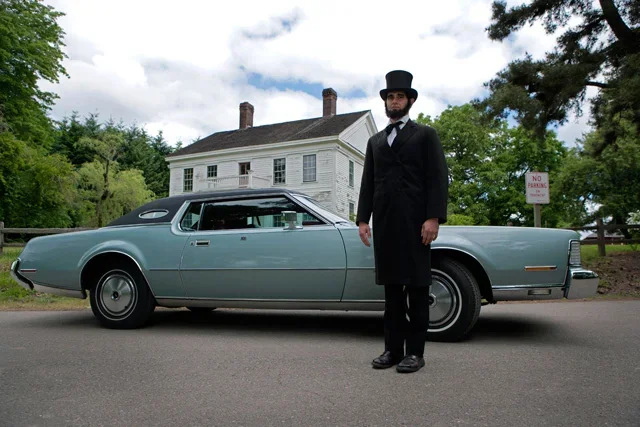
2023 Presidents Day At Dave Sinclair Lincoln St. Peters

The Story Behind the Lincoln Motor Company

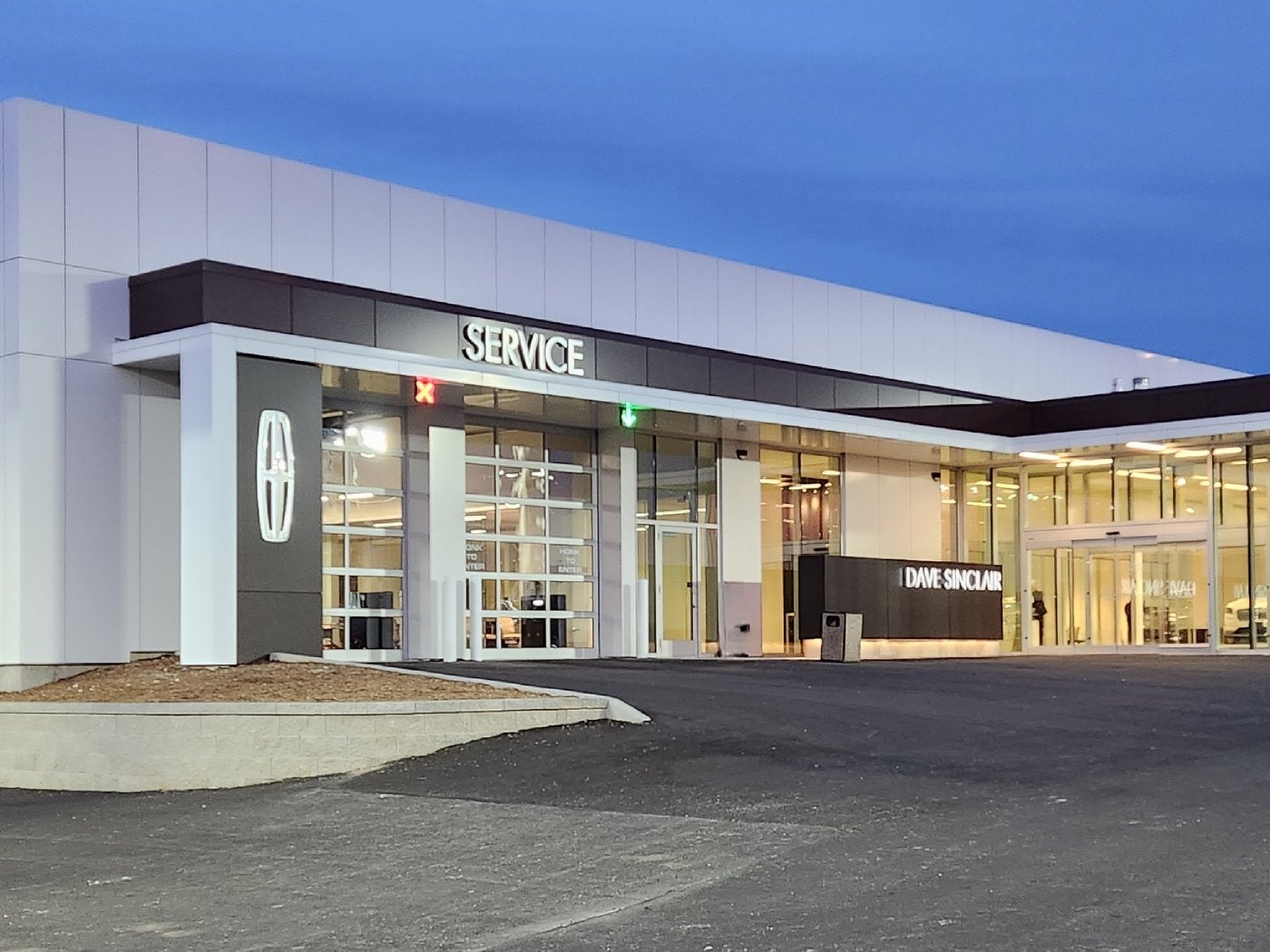
Have you ever wondered how the historic Lincoln Motor Company came to be? What was the story behind one of the most iconic American brands? The Lincoln Motor Company was first established by Henry Leland in 1917. From its humble beginnings as a car manufacturer, it has grown into one of America's oldest and most trusted car brands. It has survived recessions and changed ownership a couple of times over its long history. Today we celebrate the evolution of original American fashion powerhouse, The Lincoln Motor Company. With an extensive and intricate history, journey with us as we unravel the stories that brought this iconic brand to life. From the time Henry Leland founded the Lincoln Motor Company, it has become an iconic American car brand. As Lincoln celebrates its 100th anniversary, we can look back and appreciate the evolution of a brand that carried us through more than a century of histories and milestones. Henry Leland, who also co-founded Cadillac, started Lincoln in 1917in Detroit Michigan with the intention of producing engines and aircraft parts during World War I. Business was slow at first but picked up shortly after when they began to produced luxury cars. In 1922 Leland sold his stake in the company to Ford and it evolved into the brand’s first real production phase. During this time models such as the Model K and L were released providing an elegant solution for automobile travel. Lincoln underwent significant development from 1945 onward with Franklin D Roosevelt Jr leading several changes to bring out a memorable range of cars unmatched by any other car maker - including power windows, automatic headlight dimmers, electric wipers and air conditioning systems - all considered luxuries at the time. Among these model’s included some of today’s most iconic American cars – The Continental Convertible, Town Car and Mark VIII Coupe/Sedan known for their impressive design quality that still extends to modern day vehicles. The nineties saw vast changes for Lincoln as Ford aimed to create even greater luxury vehicles with undeniable individuality which resulted in some popularly remembered models like Navigator, LS sedan and Aviator SUV’s being unveiled alongside the Blackwood: an experimental pickup truck created from another classic – The Continental sedan. Stepping into 2023 presents a whole new era for Lincoln as they use cutting-edge technology with advanced suspension systems amongst other features available on their product portfolio including the new 2023 Lincoln Aviator and new 2023 Lincoln Corsair.  Lincoln steps into the future with electric vehicles, new technology and the Lincoln dealer effortless experience.  One thing will remain ever true – maintaining their timeless emphasis on strength in craftsmanship backed by innovation across Lincoln Motor Company; making them uniquely capable machines precisely tailored towards individual needs. Dave Sinclair Lincoln St. Peters just completed our brand new Lincoln facility making it one of the most cutting edge luxury automotive facilities in the Midwest.  Our customer service and attention to detail remain with a new showroom built to make your experience more effortless.  Come by to see what Lincoln truly has to offer as a leading luxury brand or shop our new product portfolio online. Happy Presidents Day Lincoln! We hope you have a wonderful next centennial!

Contact Us

Fill out this form below and we'll contact you shortly
*Required Fields