
Dave Sinclair Lincoln St. Peters

Blog / St. Peters Lincoln Service

Lincoln Cooling System Check: Avoiding a July Overheat

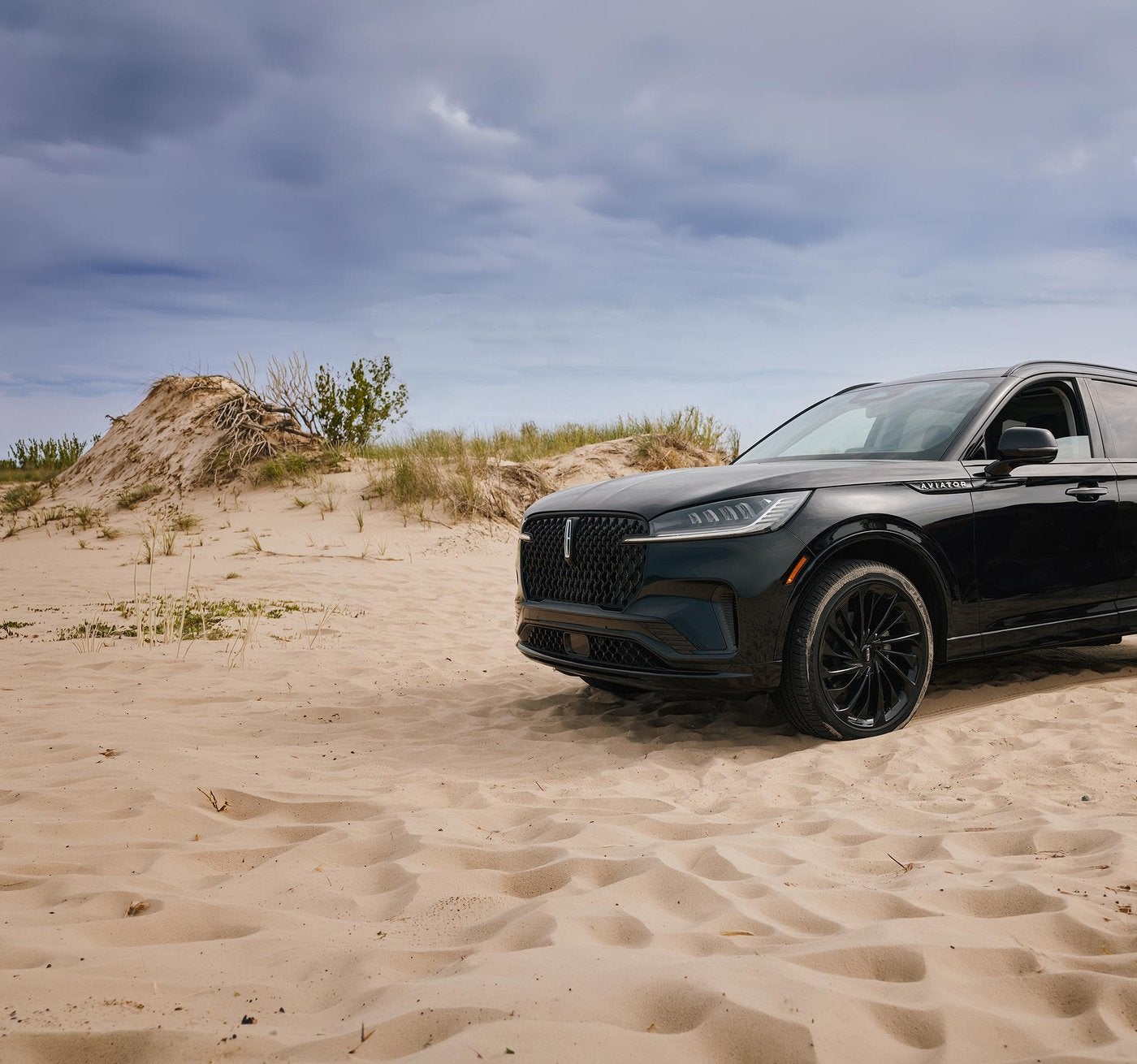
Black Lincoln Aviator parked in the sand dunes on a hot summer day

Service  |  St. Peters, MO

What makes an engine run hot in a Missouri July, the early signs owners miss, and the right move if the warning comes on in traffic.

Picture the Blanchette Bridge at five on a Friday in July. It's 96 degrees, the traffic is crawling east, and the AC is running flat out. Under the hood, your engine is making a lot of heat and getting very little air to carry it away. That's the exact moment a cooling system with a small problem stops keeping up.

Overheating is one of the few car problems where a few minutes can turn a modest repair into a major one. The good news is that cooling systems usually show signs well before they fail. We'll cover why summer is the risky season, what to watch for, what to do if the warning comes on, and what our technicians check.

Quick answer: If your Lincoln shows a high temperature warning, smells sweet like syrup, leaves green, orange or pink drips, or the coolant level keeps dropping, have the cooling system checked soon. If it overheats while driving, turn off the AC, pull over safely, shut the engine off and don't open the coolant cap while it's hot.

Riskiest moment

Stop and go heat

Early clue

Coolant level dropping

Never do this

Open a hot cap

Why Do Engines Overheat More in a Missouri Summer?

The cooling system moves heat from the engine to the outside air. Coolant runs through the engine, picks up heat, and flows to the radiator up front, where air passing through the fins cools it off. A water pump keeps it moving, a thermostat decides when it flows, and electric fans pull air through when you aren't going fast enough to do it yourself.

Hot days shrink the margin. When it's 95 outside, the air passing through the radiator is already warm, so it can't carry as much heat away. Add stop and go traffic, a full car, a hill or a trailer, and the AC condenser dumping its own heat in front of the radiator. A system that's fine in April can come up short on a July afternoon.

Most of the time the cause is ordinary. Coolant gets low from a slow leak, a fan stops working, a thermostat sticks, or an aging pump stops moving enough fluid. Catching it early keeps it ordinary.

Black Lincoln Aviator parked on sand near tall beach grass in the sun

What Are the Early Signs of a Cooling System Problem?

These usually show up days or weeks before a real overheat. Take any of them seriously in summer.

Temperature warning or a high gauge

A message on the cluster, or a gauge reading higher than it normally does in traffic.

A sweet smell

Coolant has a syrupy smell. Noticing it around the car or through the vents often means a leak.

Colored drips

Green, orange or pink spots under the front of the car. Coolant colors vary by type.

Coolant level keeps dropping

If you've added coolant once and it's low again, it's going somewhere.

Steam or a hiss

Steam from under the hood or a hissing sound after you park. Stay back and don't open the hood right away.

Coolant is toxic and tastes sweet to pets. If you see a puddle in the garage, clean it up quickly and keep dogs and cats away from it.

What Should You Do If Your Lincoln Overheats?

Stay calm and act quickly. Driving on with an overheated engine is how a hose replacement becomes an engine replacement.

1

Turn off the AC

That takes some load off the engine and stops the condenser from adding heat in front of the radiator.

2

Get off the road safely

Signal, move to a safe spot well off traffic, and put the hazards on.

3

Shut the engine off

Let it sit. Don't open the hood until the steam stops, and keep your hands away from the engine.

4

Leave the cap alone

The system is under pressure when it's hot. Opening the cap can spray scalding coolant. Wait until it's fully cool.

5

Call for help

Call roadside assistance or call us at 636-441-4400. We'll help you decide whether it's safe to drive or needs a tow.

Driving on with an overheated engine is how a hose replacement becomes an engine replacement.

Schedule a Cooling System CheckSee Service Specials

What Does a Lincoln Cooling System Check Include?

Our service department lists cooling system and radiator repair among its services, and a good diagnosis starts by finding out where the heat or the coolant is going. Your technician will usually look at:

  • Coolant level and condition, and whether the right type is in the system
  • A pressure test to find leaks at hoses, the radiator, the water pump and the reservoir
  • Cooling fan operation at idle and with the AC on
  • Thermostat behavior as the engine warms up
  • Belts and hoses for cracks, soft spots and wear
  • Any stored codes that point to a sensor or temperature problem

Lincolns use a specific coolant, and the type can differ by model and year. Mixing the wrong kind can cause problems down the road, so ask us before you add anything other than what your owner's guide calls for. If the check finds a failing part, your advisor will explain what and why before any repair starts.

St. Peters driver tip

On a hot day, glance at the temperature reading when you're stuck on Mid Rivers Mall Drive near the mall or on the Page Avenue bridge. Those slow crawls are where a weak fan shows itself first. If the reading creeps up in traffic and drops once you're moving again, book a check before the next heat wave.

How Can You Prevent an Overheat This Summer?

Lincoln Aviator with headlights on driving a gravel road through tall pines

Check the coolant reservoir once a month with the engine cold. It has marks for minimum and maximum. If the level is under the line, add the correct coolant and keep an eye on it. If it drops again, bring it in.

Follow the coolant service interval in your owner's guide. Old coolant loses its ability to protect against corrosion, and corrosion is what eats radiators and water pumps from the inside. Keep the front of the car clear of leaves, bugs and grime so air can get through.

Mention a hot gauge or a sweet smell at any visit. Our technicians can look at the cooling system when your Lincoln is in for an oil change or other work, and it often takes only a few minutes to spot a weeping hose.

Book it your way

Book online, use the Lincoln app, or call 636-441-4400 to set up a cooling system check. For Lincolns still under the 4 year or 50,000 mile new vehicle limited warranty, we offer complimentary Pickup and Delivery with a Lincoln loaner, and your vehicle comes back washed.

Request Pickup and Delivery

Questions Owners Ask About Coolant

Can I add water instead of coolant in an emergency?

In a true emergency, water can get you to a safe place, but it dilutes protection and the system should be checked and refilled with the correct coolant soon after.

How often should Lincoln coolant be changed?

Follow the interval in your owner's guide, since it varies by model and year. Your advisor can look it up by VIN.

Why does my coolant look rusty or murky?

Old coolant can break down and pick up rust or debris. That's a sign it's past due, and a technician should look at it before you add more.

Questions Owners Ask About Overheating

Is it safe to drive a little if the engine is running hot?

Short, slow driving to a safe spot is the most we'd suggest. Pushing an overheated engine can warp parts and cause a much bigger repair.

Why does my Lincoln run hotter with the AC on?

The AC condenser sits in front of the radiator and adds heat there. A healthy system handles it, but a weak fan or low coolant shows up first with the AC running.

Can a bad thermostat cause overheating?

Yes. A thermostat stuck closed keeps coolant from reaching the radiator. A stuck open thermostat usually causes the opposite problem, a slow warmup.

Questions Owners Ask About Leaks

How do I know if a puddle is coolant?

Coolant is usually green, orange or pink, feels slick and smells sweet. Clear water near the front passenger side is often AC condensation, which is normal.

Can a small coolant leak wait until my next oil change?

In summer, we wouldn't let it wait long. Small leaks grow, and losing coolant in hot traffic is how overheats happen.

Will a leak sealer from the parts store fix it?

We'd avoid it. Sealers can clog passages in the radiator and heater core. Finding and fixing the leak is the safer move.

Questions Owners Ask About Fans and Pumps

Should my cooling fan run after I turn the car off?

On many vehicles, yes. The fan may keep running briefly to cool the engine after a hot drive. It should shut off on its own.

What are the signs of a failing water pump?

Leaking coolant near the front of the engine, a whining or grinding sound, or a rising temperature reading can all point to the pump.

Can a weak battery affect the cooling fans?

Electric fans need steady power. A charging problem can cause odd electrical behavior, so our battery service team can test the battery and charging system during the same visit.

Questions Owners Ask About Service in St. Peters

Where can I get a cooling system check in St. Peters?

Dave Sinclair Lincoln St. Peters is at 4760 North Service Road, along I-70. Book online or call 636-441-4400.

Can you look at my car if it was towed in?

Yes. Call us so we know it's coming, and tell us what happened before it stopped. That helps the technician start in the right place.

Is cooling system work covered under warranty?

It depends on your Lincoln's age, mileage and the part. Your advisor can check coverage by VIN before any work starts.

Stay Ahead of the Heat

A quick check now costs less than a tow later.

Visit Our Service Department

Check the Battery Too

Summer heat wears batteries down as fast as winter cold exposes them.

Battery Service
Posted in:

Related Posts

Lincoln star sign lit at night over the lot at Dave Sinclair Lincoln St. Peters

Lincoln Parts vs. Aftermarket: What St. Peters Owners Should Know

Service  |  St. Peters, MO A part that fits isn't always a part that works the way Lincoln designed it to. This is how to tell when the difference matters and when it doesn't. Picture a cabin air filter bought online for a Nautilus. It slides into the housing, mostly. There's a gap along one edge wide enough to fit a credit card, and every bit of air that goes through that gap skips the filter. That's the parts question in miniature. Aftermarket parts aren't all bad, and factory parts aren't magic. The trick is knowing which jobs are forgiving and which ones aren't. Below we cover what separates a factory Lincoln part from an aftermarket one, the places where it matters most on a modern Lincoln, and how to order the right part from our parts counter in St. Peters. Quick answer: Factory Lincoln parts are made to the same specification as the part your vehicle was built with, so fit and function match what the engineers tested. Aftermarket parts range from very good to poor depending on the brand. For sensors, cameras, safety systems, body panels and anything tied to the vehicle's software, factory parts are the safer call. For simple items, a quality aftermarket part can work, but check fit before you install it. Factory part Built to the original spec Aftermarket Quality varies by brand Order here Online form or 636-441-4400 In this post Factory vs aftermarket Where it matters most When aftermarket is fine Parts and your warranty Ordering parts here What Is the Difference Between Factory Lincoln Parts and Aftermarket Parts? A factory part comes from the automaker's own supply chain and is built to the same drawing as the one your Lincoln left the plant with. Same dimensions, same materials, same connectors. When a technician installs it, it should behave exactly like the original did. An aftermarket part is made by another company to fit your vehicle. Some of those companies do excellent work. Others reverse engineer a part from a sample, cut corners on materials and sell it cheap. From the outside the box looks the same, and that's the problem. You don't always know which kind you're holding until it's installed. Which Lincoln Repairs Should Use Factory Parts? Some repairs leave very little room for a part that's close but not exact. On a late model Lincoln, these are the ones we'd keep factory: Sensors and cameras Lincoln Co-Pilot360 features lean on cameras and radar behind the windshield, grille and bumpers. A sensor that reads slightly off can cause warnings or features that switch themselves off. Body panels and bumper covers Panel gaps, mounting points and sensor brackets have to line up. A cover that's a few millimeters off can affect how a parking sensor sits. Electrical modules Modules often need to be programmed to your VIN. An aftermarket unit may not accept the software Lincoln uses. Glass with sensors attached Windshields on many Lincolns carry a camera bracket and other hardware. The glass has to match so the camera can be calibrated correctly. Filters and seals that protect expensive parts A poor fitting filter or seal costs little up front and can let dirt or fluid where it doesn't belong. Our body shop aims for OEM factory parts on collision work for the same reason, and it runs a post repair scan and safety calibrations so the driver assist systems work the way they did before the damage. Schedule Service Visit the Body Shop When Is an Aftermarket Part a Reasonable Choice? Plenty of owners use aftermarket parts for simple items and never have a problem. Floor mats, some wiper blades and basic bulbs are forgiving because they don't talk to the vehicle's computers and the fit is easy to check by eye. The catch is brand quality. A reputable aftermarket brand with a clear fit guide for your exact model and year is a very different purchase from the cheapest listing on a marketplace site. If you go that route, match the part number to your VIN, compare it side by side with the old part, and keep the receipt. From the outside the box looks the same, and that's the problem. Will Aftermarket Parts Void My Lincoln Warranty? Using an aftermarket part doesn't automatically void a new vehicle warranty. What can happen is narrower. If an aftermarket part causes a failure, the repair for that failure may not be covered. A filter that lets debris through or a sensor that shorts a circuit can turn into a claim conversation you'd rather not have. If your Lincoln came from our store with Warranty Forever, read the maintenance terms in your agreement. It requires customary maintenance done at a licensed facility and kept on record, so save every invoice. For anything warranty related, ask your service advisor before you install a part yourself. St. Peters driver tip Keep a folder in the glove box or a photo album on your phone with every parts and service receipt. If you ever need to show maintenance history, you'll have it in a minute instead of digging through email. It also helps when you trade in, since a buyer on Mid Rivers Mall Drive or anywhere else likes to see records. How Do You Order Lincoln Parts at Dave Sinclair Lincoln St. Peters? The fastest way is the parts order form on our site. You enter the year, make and model, the trim if you know it, and a description of what you need. Adding the VIN is optional, but it helps us match the exact part for your build, since two Lincolns of the same model and year can use different parts. 1 Fill out the form Year, make, model and the part you need, plus your name, email and phone. 2 Add your VIN if you have it It's printed on your registration, your insurance card and the lower corner of the windshield. 3 Wait for the callback A customer service specialist contacts you to confirm the part and next steps. If you'd rather talk to someone, call 636-441-4400 and ask for parts. It's the same number for sales and service, at 4760 North Service Road along I-70. Book it your way If you'd rather we install the part, book online, in the Lincoln app, or call 636-441-4400. Vehicles inside the 4 year or 50,000 mile new vehicle limited warranty get complimentary Pickup and Delivery, with a Lincoln loaner left in your driveway and your vehicle returned washed. How Pickup and Delivery Works Questions Owners Ask About Factory Parts Are factory Lincoln parts the same as the ones on my vehicle now? + They're built to the same specification as the parts your Lincoln was built with, which is the whole point. Fit and function should match the original. Why do factory parts cost more than some aftermarket ones? + Part of it is materials and testing to the original spec. The cheapest aftermarket parts often save money on exactly those things. Do I need my VIN to order a Lincoln part? + It's optional on our form, but it helps. Two vehicles of the same model and year can use different parts depending on the build. Questions Owners Ask About Aftermarket Parts Can you install a part I bought somewhere else? + Call the service team at 636-441-4400 to ask before you bring it in. The answer can depend on the part and the job. How can I tell if an aftermarket part is good quality? + Look for a brand with a clear fit guide for your exact model and year, match it to your VIN, and compare it side by side with the original before installing. Are aftermarket wiper blades or bulbs okay on a Lincoln? + Simple items like these are usually forgiving if the fit is right. Check the size and type against your owner's guide or the old part. Questions Owners Ask About Parts and Safety Systems Why do cameras and sensors need calibration after a repair? + Driver assist features rely on cameras and radar pointed exactly where Lincoln intended. After glass, bumper or alignment work, calibration confirms they're aimed correctly. Can a cheap windshield affect Lincoln Co-Pilot360? + It can. Many windshields carry a camera bracket, and the glass needs to match so the camera can be calibrated. Ask about it before replacing glass. Does the body shop use factory parts? + Our body shop aims for OEM factory parts on collision repair and runs a post repair scan when the work is done. Questions Owners Ask About Parts and Maintenance Records Should I keep receipts for parts I install myself? + Yes. Receipts with part numbers and dates show what went on the vehicle and when, which helps with warranty questions and resale. Can I do my own oil changes under Warranty Forever? + No. The Warranty Forever agreement requires customary maintenance at a licensed facility, kept on record. Read your agreement for the full terms. What if a part fails soon after I install it? + Stop driving if it affects brakes, steering or warning lights, and call the service team. Bring the part and receipt so they can see what was installed. Questions Owners Ask About Our Parts Counter What number do I call for Lincoln parts in St. Peters? + Call 636-441-4400. It's the same number for sales, service and parts at Dave Sinclair Lincoln St. Peters. Who contacts me after I submit a parts request? + A customer service specialist reaches out to confirm the part and next steps. When is the service department open? + Monday through Thursday 7 AM to 7 PM, Friday 7 AM to 5:30 PM and Saturday 8 AM to 5 PM. It's closed Sunday. Order the Right Part Send us your year, model and VIN and we'll match it. Request Lincoln Parts Let Our Technicians Install It Factory parts installed by a team that works on Lincolns every day. Visit Our Service Department

Glass walled offices along a bright hallway at Dave Sinclair Lincoln St. Peters

Lincoln Basic and Premium Maintenance Plans Explained

Service  |  St. Peters, MO What each Lincoln Protect maintenance plan covers according to our plan pages, what the pages leave out, and the questions to ask before you choose one. Every few days someone at the service counter asks whether a maintenance plan is a good idea. The honest answer is that it depends on what's in the plan, how long you'll keep the vehicle and how you'd rather pay for routine work. Lincoln offers two through Lincoln Protect, a Basic Maintenance plan and a Premium Maintenance plan, and our store has a page for each. This post sticks to what those two pages say. Where a page doesn't give a detail, like a price or a term length, we say so and tell you where to get it, instead of filling the gap with a guess. Quick answer: Lincoln Protect Basic Maintenance covers routine oil changes, multi point inspections and tire rotations at each scheduled interval. Premium Maintenance covers that plus select wear items such as brake pads and linings, shocks and struts, spark plugs, belts, hoses and wiper blades. Both can be used at any Lincoln dealership. Basic covers Oil, rotations, inspections Premium adds Select wear items Where it works Any Lincoln dealership In this post Basic Maintenance Premium Maintenance What both plans share What to ask Which plan fits What Does the Lincoln Basic Maintenance Plan Cover? Basic Maintenance is the plan for the work every Lincoln needs on a schedule. According to our Basic Maintenance plan page, it covers routine oil changes, multi point inspections and tire rotations. The timing comes from your Owner's Scheduled Maintenance Guide, so the plan follows the intervals Lincoln recommends for your vehicle. The inspection at each visit is broader than most people expect. The page lists lights, the horn, wipers and washer, windshield condition, leaks, the exhaust, steering and suspension, drive belts, the clutch if equipped, and the tires. Fluids get checked and topped off too: transmission fluid if your vehicle has a dipstick, brake fluid, power steering fluid, coolant, washer fluid and diesel exhaust fluid if needed. What Basic doesn't list are the wear items. Brake pads, wiper blades and similar parts aren't part of its coverage on the page. If those come due, you'd pay for them separately. What Does the Premium Maintenance Plan Add? Premium Maintenance starts with the same routine work and adds the parts that wear out with normal driving. Our Premium Maintenance plan page says the plan covers all scheduled maintenance, including select wear items, and that the actual plan depends on your vehicle's maintenance needs as listed in the owner's scheduled maintenance guide. The page lists these items: 1 Routine service Oil and filter changes, multi point inspections and tire rotations, the same core work as Basic. 2 Brakes and ride Brake pads and linings, plus shocks and struts. 3 Engine wear parts Spark plugs, engine belts, and coolant hoses and seals. 4 Everyday wear Wiper blades, clutch discs where equipped, and diesel exhaust fluid fill during scheduled dealership maintenance. The inspection list and the fluid checks match what the Basic page describes. The difference is the wear items. On Basic, a set of brake pads or wipers is a separate bill. On Premium, the page lists them as covered, subject to the plan's terms. The difference is the wear items. Schedule Maintenance See Oil Change Service What Do Both Plans Have in Common? Both pages say future maintenance visits can be locked at today's rates, and both say service can be done at any Lincoln dealership. That second part matters more than people think. If you're driving to see family in Kansas City or spending a week at Lake of the Ozarks and an oil change comes due, the plan isn't tied to our service drive. The pages also make the case for keeping up with maintenance in general. The Basic page says it may help prevent serious repairs, keep the vehicle performing well and possibly help resale value. The Premium page says proper maintenance helps with reliability and safety and can improve trade in or resale value. Those are fair points for any well kept vehicle. St. Peters driver tip Summer here is hard on wipers and tires, between the 90 degree heat on the dash and the spring hail and storms that come before it. If you drive a lot of miles on I-70 and Highway 364 and keep a vehicle for years, put that in the conversation when you compare plans. Wear items come due faster on vehicles that see a lot of highway miles and Missouri weather. What Should You Ask Before Choosing a Plan? Neither plan page lists a price, a term length, mileage limits, which vehicles qualify, or whether a plan transfers if you sell. Both pages offer a brochure for download, and the full terms are in the plan contract. Those are the details that decide whether a plan pays off for you, so get them in writing. How long and how many miles Ask how many years and miles the plan runs, and how many visits that works out to for your driving. Which wear items and how often On Premium, ask exactly which wear items are covered for your model and whether there are limits on how many times. What happens if you sell Ask whether the plan transfers to the next owner or can be cancelled, and how that works. Which vehicles qualify Ask whether your Lincoln qualifies based on its age, mileage and whether it's new or pre owned. Bring your typical yearly mileage and how long you plan to keep the vehicle. With those two numbers, the service team can help you compare the plan to paying visit by visit. Which Lincoln Maintenance Plan Fits Your Driving? Basic Maintenance tends to suit drivers who want routine visits locked in and are fine handling wear items as they come up. That often means lower mileage drivers, or people who trade vehicles before brakes and spark plugs come due. Premium Maintenance tends to suit drivers who put on a lot of miles, keep a vehicle well past the first few years, or want more of their maintenance costs settled ahead of time. Since it covers parts like brake pads, shocks and struts, it lines up well with ownership long enough for those parts to wear. Either way, the maintenance itself is the same work your Lincoln needs. The plan only changes how and when you pay for it. Book it your way Schedule your next maintenance visit online, in the Lincoln app, or by phone at 636-441-4400. Vehicles inside the 4 year or 50,000 mile new vehicle limited warranty qualify for complimentary Pickup and Delivery, with a Lincoln loaner while we have yours and a wash before it comes back. See Pickup and Delivery Questions Owners Ask About Plan Coverage Does Basic Maintenance cover brake pads? + Brake pads aren't listed on the Basic Maintenance page. They're listed on the Premium Maintenance page as a covered wear item. Are fluids included in Basic Maintenance? + The Basic page says fluids are checked and topped off at each visit, including brake fluid, coolant, washer fluid and others listed on the page. Does Premium cover every part that wears out? + The page says it covers select wear items and lists them. Ask for the plan terms to see exactly what applies to your vehicle. Questions Owners Ask About Using a Plan Can I use my maintenance plan at another Lincoln dealer? + Both plan pages say service can be done at any Lincoln dealership. How do I know when my maintenance is due? + Your Owner's Scheduled Maintenance Guide sets the intervals. Many Lincolns also show a reminder, and the Lincoln app can show vehicle health information. Do I have to book each visit myself? + Yes, you schedule each visit as it comes due. Book online, in the Lincoln app or by calling 636-441-4400. Questions Owners Ask About Cost How much does a Lincoln maintenance plan cost? + The plan pages don't list prices. Pricing depends on the plan and your vehicle, so ask the service team for a quote. What does locking visits at today's rates mean? + Both pages say a plan lets you lock future maintenance visits at today's rates. Ask the team how that applies under the plan terms. Can a maintenance plan be added to my financing? + Ask the Finance Department when you buy, or the service team if you already own the vehicle, about how a plan can be paid for. Questions Owners Ask About Plan Terms How long does a Lincoln maintenance plan last? + The plan pages don't state term lengths or mileage limits. The brochure on each page and the plan contract have those details. Does a maintenance plan transfer if I sell my Lincoln? + The plan pages don't say. Ask the service team and check the plan contract before you buy. Is a maintenance plan the same as Warranty Forever? + No. A maintenance plan pays for scheduled maintenance. Warranty Forever is powertrain coverage on qualifying vehicles, and it requires customary maintenance to be done and kept on record. Questions Owners Ask Our St. Peters Service Advisors Who can explain the plans in person? + Our service advisors can walk you through both plans and the brochure. Stop by 4760 North Service Road or call 636-441-4400. What are the service department hours? + Weekdays start at 7 AM. Monday through Thursday we're open until 7 PM, Friday until 5:30 PM, and Saturday from 8 AM to 5 PM. Service is closed on Sundays. Can I get a loaner during a maintenance visit? + If your Lincoln is within the 4 year or 50,000 mile new vehicle limited warranty, complimentary Pickup and Delivery includes a Lincoln loaner. For other vehicles, check with the store when you book. Talk Through a Plan With Us Our advisors can compare both plans for your Lincoln. Visit Our Service Department Check Current Service Offers See the service and parts specials posted now. View Service Specials

Woman driving a Lincoln Aviator on the highway with the touchscreen lit

Transmission Service for Your Lincoln: What to Watch For

Service  |  St. Peters, MO The shifts, sounds and smells that point to a transmission problem, and why catching one early on a Lincoln saves real money. Customers rarely say the word transmission when they call. They say the SUV feels lazy pulling away from a light on Mid Rivers Mall Drive, or there's a thump when it drops into a lower gear, or it hesitates for a second when they shift from park into reverse. Those are all transmission complaints, and every one of them is easier to deal with in July than after it gets worse. Modern Lincoln transmissions shift a lot. A 10 speed automatic is changing gears constantly, and the computer that runs it is learning how you drive the whole time. When something feels off, it usually is, and the earlier a technician gets a look, the more options you have. Quick answer: Have your Lincoln checked if it shifts hard or late, slips, hesitates going into drive or reverse, shows a transmission warning, leaks reddish fluid or smells burnt. Many of these start as small issues like low fluid, a software update or a sensor, and an early diagnosis often avoids a much larger repair. Hardest season Summer heat and towing First check Scan and road test Interval Your owner's guide In this post Signs to watch for Heat and towing How we diagnose it Fluid service Habits that help What Are the Signs a Lincoln Transmission Needs Attention? A healthy automatic transmission is close to invisible. You notice the engine and the road, not the gear changes. So when you start to notice the shifts, pay attention. These are the complaints we hear most often in the service drive: Harsh or delayed shifts A bang or a jolt between gears, or a long pause before the next gear arrives, especially when the vehicle is warmed up. Slipping The engine revs climb but the SUV doesn't pick up speed to match, like the power isn't getting to the wheels. Hesitation into gear A delay of a second or more when you shift from park into drive or reverse. Warning lights or messages A transmission message, a check engine light, or the vehicle limiting speed to protect itself. Fluid on the driveway Reddish or brown spots near the middle of the vehicle can be transmission fluid. A burnt smell Fluid that's overheating has a sharp, burnt odor you may notice after a long climb or a tow. One odd shift on a cold morning isn't a reason to panic. A pattern of them is a reason to book a visit. Why Is Summer Hard on a Transmission? Heat is what wears transmission fluid out. Fluid does three jobs at once: it lubricates, it carries heat away, and it transmits the pressure that makes the gears change. As it gets hotter, it breaks down faster, and old fluid doesn't protect as well as fresh fluid. Missouri summers stack the deck. Stop and go traffic on I-70 at 5 PM in 95 degree heat with the air conditioning on full is a lot of work for a transmission. Add a boat behind a Lincoln Navigator on the way to Lake of the Ozarks, or a camper on the hills along Highway 94, and the fluid runs even hotter. Heat is what wears transmission fluid out. St. Peters driver tip If you tow, check your owner's guide for the tow or haul mode on your Lincoln and use it. On long grades like the climb out of the river valley on Highway 94 near Defiance, letting the transmission hold a lower gear keeps it from hunting between gears and helps keep the fluid temperature down. Give the vehicle a minute to idle before you shut it off after a long, hot pull. What Happens When We Check a Lincoln Transmission? A good diagnosis starts with your description, so tell the service advisor exactly when it happens. Hot or cold, uphill or flat, light throttle or hard acceleration, only in one gear. That detail saves time and points the technician in the right direction. 1 Scan the computer The technician reads stored codes and live data from the transmission control module, including fluid temperature and shift timing. 2 Road test A drive that tries to reproduce the complaint. Many shift problems only show up at a certain speed or temperature. 3 Check for updates Software updates sometimes address shift quality. The technician checks whether one applies to your vehicle. 4 Inspect fluid and leaks Fluid condition and level, plus a look underneath for leaks at the pan, lines and seals. 5 Recommend next steps You get the findings and options before any repair, from a fluid service or update to a deeper repair if one is needed. Schedule a Transmission Check Meet Our Service Department How Often Does a Lincoln Need Transmission Fluid Service? There's no one answer for every Lincoln, and that's why we don't put a number in a blog post. The interval depends on the model, the transmission, the model year and how you drive. Towing, lots of short trips and constant heat can move a vehicle into a more severe maintenance schedule. Your owner's guide and the scheduled maintenance information for your vehicle list the interval. Our service advisors can pull it up from your VIN and look at your service history to see what's been done. Many newer transmissions also don't have a dipstick, so checking the fluid is a job for the shop, not the driveway. If you'd like to keep the cost of routine work down, check our service and parts specials before you book. Offers change, so look at what's posted when you schedule. What Driving Habits Help a Transmission Last? Come to a full stop before shifting between drive and reverse. Swinging from reverse into drive while the SUV is still rolling backward is hard on internal parts, and it happens a lot in tight driveways and school pickup lines. Don't ignore a warning message, and don't keep driving long distances if the vehicle has limited its speed. That mode is there to protect the transmission. Stay inside the towing limits in your owner's guide, and keep up with the scheduled maintenance. Most of the expensive transmission repairs we see started as something small that went unchecked for months. Book it your way Set up a visit online, through the Lincoln app, or by calling 636-441-4400. If your Lincoln is still within the 4 year or 50,000 mile new vehicle limited warranty, complimentary Pickup and Delivery can collect it, leave you a Lincoln loaner, and bring it back washed. Learn About Pickup and Delivery Questions Owners Ask About Shifting Is it normal for a 10 speed transmission to shift a lot? + Yes. More gears means more frequent shifts, especially around town. What isn't normal is shifts that feel harsh, late or inconsistent. Why does my Lincoln shift differently after a battery change? + When power is cut, the transmission can lose some of what it learned about your driving. It usually relearns over the next several drives. If it doesn't settle, have it checked. Can a software update fix shifting problems? + Sometimes. Manufacturers release updates that address shift quality. A technician can check whether one applies to your vehicle during a diagnosis. Questions Owners Ask About Transmission Fluid What color should transmission fluid be? + Fresh fluid is usually red or pink. Dark brown fluid or fluid with a burnt smell is a sign it's worn or the transmission has been running hot. Can I check the transmission fluid myself? + Many newer Lincoln transmissions don't have a dipstick. Checking the level correctly takes a lift and the right procedure, so it's a job for the service team. Is a fluid flush the same as a fluid service? + Not always. The right procedure depends on the transmission. Our team follows the procedure Lincoln specifies for your model. Questions Owners Ask About Towing Does towing a boat wear out my transmission faster? + Towing adds heat and load, which can shorten fluid life. Using the right drive mode and following the severe service schedule, if it applies, helps. How do I know how much my Lincoln can tow? + Check the owner's guide and the label on your vehicle, since ratings depend on engine, drivetrain and equipment. Ask the service team if you aren't sure. Should I let the engine idle after towing? + A short idle after a long, hot pull lets fluid temperatures come down before you shut off. Check your owner's guide for specific advice. Questions Owners Ask About Warranty and Repairs Is transmission work covered under warranty? + That depends on the vehicle's age, mileage and the coverage it has. Bring your paperwork, and the service team will check what applies before any work starts. Does Warranty Forever cover the transmission? + On qualifying vehicles, Warranty Forever covers the powertrain parts listed in the agreement, including transmission parts. Customary maintenance must be done and kept on record, so check your agreement. Will I always need a new transmission if it's slipping? + Not always. Low fluid, a sensor or a software issue can cause symptoms that feel serious. Diagnosis tells you what's really going on. Questions Owners Ask About Booking Transmission Work How do I book a transmission check? + Use our online scheduler or call 636-441-4400, and describe the symptom so the right time is set aside. What are the service department hours? + The service drive opens at 7 AM Monday through Friday. It stays open until 7 PM Monday through Thursday and 5:30 PM on Friday. Saturday hours are 8 AM to 5 PM, and it's closed Sunday. Can I get a loaner while my Lincoln is in for transmission work? + Vehicles within the 4 year or 50,000 mile new vehicle limited warranty qualify for complimentary Pickup and Delivery with a Lincoln loaner. If yours is outside that warranty, ask about transportation when you schedule. Check Our Hours Before You Come In Service, sales and body shop hours in one place. View Hours Book From Your Phone Schedule service and keep track of your Lincoln in the app. Explore the Lincoln App