Dave Sinclair Lincoln St. Peters

Blog / St. Peters Lincoln Service

Lincoln Battery Care for Cold St. Peters Mornings

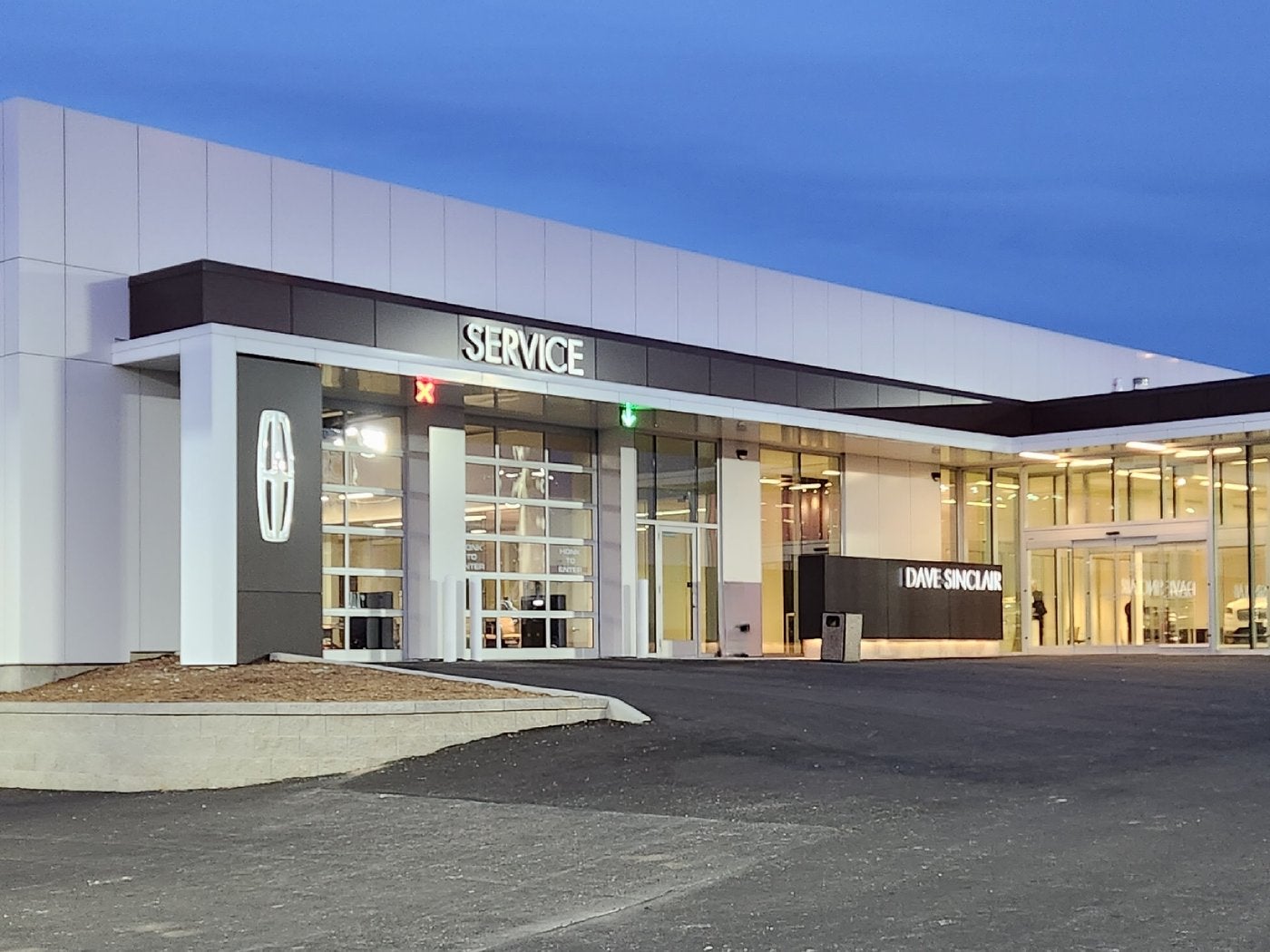
Service department entrance at Dave Sinclair Lincoln St. Peters at dusk with the lot in front

Service  |  St. Peters, MO

Why a Lincoln battery gives out on the first hard freeze, what the early signs feel like, and what a proper test tells you.

It's 6:40 on a January morning in St. Peters. The driveway is white, the wipers are frozen to the glass, and you need to be on I-70 in ten minutes. You press the start button and the engine turns over slower than it did last week. That small hesitation is the battery talking.

Cold doesn't usually kill a healthy battery. It exposes a weak one. This post covers why winter mornings are hard on a Lincoln battery, the signs worth paying attention to, what a real battery test looks at, and how to keep a good battery going until spring.

Quick answer: If your Lincoln cranks slowly on cold mornings, shows a battery or charging warning, or has a battery older than three to five years, have it tested before the next deep freeze. A load test shows how much reserve is left, and it checks the charging system so a weak alternator doesn't get blamed on a good battery.

Typical life

Three to five years

Hardest morning

The first deep freeze

Smart move

Test it in the fall or now

Why Does a Lincoln Battery Struggle on Cold Mornings?

A battery makes power through a chemical reaction, and cold slows that reaction down. On a single digit morning the battery can deliver noticeably less current than it does on a mild day, right when the engine needs more of it. Cold oil is thicker, so the starter has to work harder to turn the engine over.

Put those together and a battery that had plenty of margin in October can come up short in January. The damage usually started earlier. Summer heat wears down the inside of a battery, and winter is just when the weakness shows up.
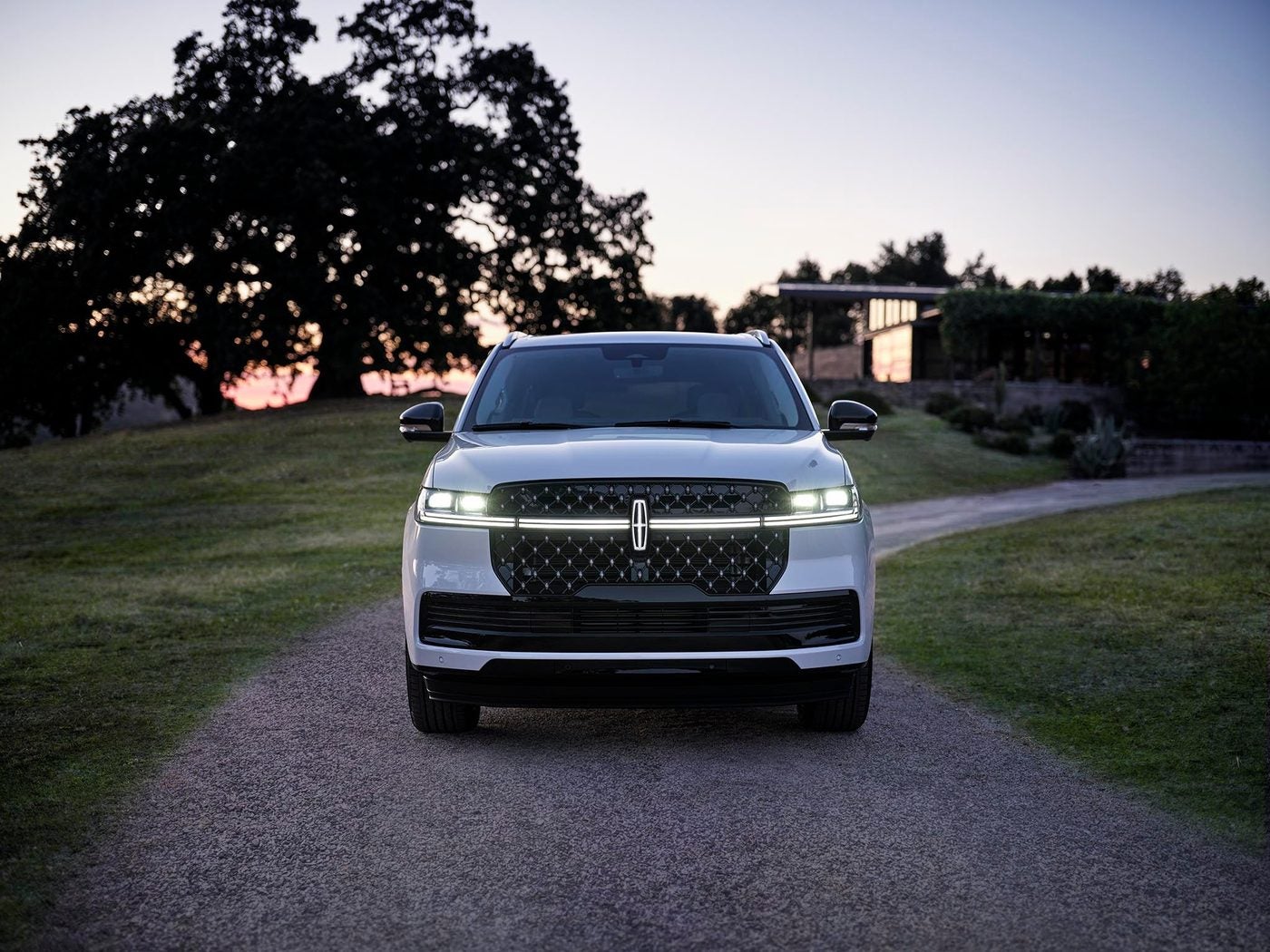
White Lincoln Navigator with headlights on, parked on a gravel driveway at dusk

What Are the Warning Signs Before a Battery Fails?

Most batteries give some warning first. Watch for these, especially once the overnight lows drop into the teens:

Slow cranking

The engine turns over slower than usual before it starts, and it's worse on the coldest mornings.

A battery or charging warning

A message or light on the instrument cluster about the battery or charging system.

Dim lights at startup

Headlights or the interior lights look weak until the engine is running.

Electrical oddities

Screens that reboot, features that switch off, or a start/stop system that stops working.

Corrosion or a swollen case

White or green buildup on the terminals, or a battery case that looks bloated.

One of these is a reason to get it checked. Two or more together is a reason to get it checked this week, not at your next oil change.

What Happens During a Lincoln Battery Test?

A real battery test takes a few minutes and gives you a clear answer. It goes further than a voltage reading, because a battery can show normal voltage and still fail under load.

1

Load test

The technician measures how well the battery delivers current under demand, which is what it has to do on a cold start.

2

Terminals and cables

Connections get checked for corrosion and tightness. A loose clamp can look a lot like a dying battery.

3

Charging system

Alternator output is checked with the engine running, so a good battery isn't replaced when the real problem is charging.

If the battery needs replacing, the team matches the right specification for your Lincoln. Many newer vehicles also need the new battery registered with the vehicle's computer so it charges correctly, and that step gets done during the same visit.

Schedule a Battery TestBattery Service Advice

Is It the Battery or the Alternator?

The two get confused all the time. The battery stores power to start the engine. The alternator recharges it while you drive. If the alternator isn't keeping up, even a new battery slowly drains and leaves you with the same slow crank.

A vehicle that's hard to start but runs fine afterward usually points to the battery. A vehicle that starts fine but dims its lights or throws a charging warning while driving points more toward the alternator. Testing both together is how you avoid paying for the wrong part.

Cold doesn't usually kill a healthy battery. It exposes a weak one.

Do Short Winter Trips Drain a Battery?

They can. Starting the engine takes a big draw from the battery, and a quick run to Mid Rivers Mall or the school pickup line in Cottleville may not give the alternator enough time to put it all back. Heated seats, the rear defroster and the fan on high pull power too.

A week of short trips in the cold can leave a battery lower every morning than it was the morning before. A longer drive once a week helps, and so does a battery that's in good shape to begin with.

St. Peters driver tip

If your Lincoln sits outside, park nose in toward the garage or house when a hard freeze is coming. It won't keep the battery warm, but it puts the engine bay out of the worst of the wind. If you have a second vehicle that sits for days, drive it on the weekend so it isn't the one that won't start when you need it.

Woman driving a Lincoln Nautilus with both hands on the steering wheel

When Should You Replace a Lincoln Battery?

Most batteries last three to five years. Climate, driving habits and how often the vehicle sits all move that number. If your battery is in the four year range and the test shows it's weak, replacing it before the next cold snap is usually cheaper than a tow, a missed meeting and a jump in a parking lot.

The date is stamped on the battery, and our service team can read it for you during any visit. Lincoln Mobile Service also lists batteries among the jobs it can handle at your home or office.

Book it your way

Schedule online, in the Lincoln app, or call us at 636-441-4400. Pickup and Delivery is complimentary for vehicles within the 4 year or 50,000 mile new vehicle limited warranty, and we leave you a Lincoln loaner while we have yours.

See Pickup and Delivery

Questions Owners Ask About Cold Weather Starts

Why does my Lincoln start fine in the afternoon but not in the morning?

The overnight cold is the difference. A battery delivers less current when it's cold, and the engine is harder to turn over, so a weak battery can pass in the afternoon and struggle at sunrise. A load test will show how much margin is left.

Can a battery die overnight without warning?

It can feel that way, but there's usually a slow crank or a dim light first. Internal wear builds over months, so a battery that seemed fine yesterday can cross the line on the first very cold morning.

How cold does it have to be to drain a battery?

There's no single number. A healthy battery handles a typical St. Charles County winter. A worn one can struggle once lows reach the teens or single digits, and the risk climbs the colder it gets.

Questions Owners Ask About Battery Testing

How long does a battery test take?

The test itself takes a few minutes. If a replacement is needed, ask your service advisor for a time estimate when you book, since it depends on the vehicle and the day.

Should I test my battery if it still starts the car?

If it's more than three years old, yes. Testing before a deep freeze can catch a weak battery while you still get to pick the day you replace it.

What does a load test tell you that a voltage check doesn't?

Voltage shows the charge sitting in the battery. A load test shows whether it can deliver power under demand, which is what a cold start asks for. A battery can read fine and still fail a load test.

Questions Owners Ask About Jump Starts

Is a jump start safe on a Lincoln?

Follow the steps in your owner's guide, since connection points vary by model. A jump gets you going, but it doesn't fix a weak battery. If you need a second jump, get the battery tested.

Will a jump start damage the electronics?

Done correctly, a jump is routine. Hooking cables up in the wrong order or to the wrong points is what causes trouble, so check your owner's guide or call roadside assistance if you aren't sure.

How far should I drive after a jump?

Drive long enough for the alternator to put some charge back, usually a steady run instead of a few blocks. Then get the battery and charging system tested soon, because the cause is still there.

Questions Owners Ask About Replacement

Can I replace a Lincoln battery myself?

The battery can be swapped by hand, but many newer vehicles expect the new battery to be registered with the vehicle's computer. Skip that and charging can be affected, so it's smart to have a service team do it.

What kind of battery does my Lincoln need?

The right size and rating depend on the model, engine and equipment. Our service team looks up the exact specification for your Lincoln instead of guessing.

Does a new battery reset any settings?

Some settings and learned values can reset when power is cut, and a few systems relearn afterward. A team that does this work regularly knows which steps apply to your model.

Questions Owners Ask About Service in St. Peters

How do I schedule a battery test at Dave Sinclair Lincoln St. Peters?

Book on our service scheduler or call 636-441-4400. Mention the slow crank or warning light so the right time is set aside.

Can Lincoln Mobile Service replace my battery at home?

Batteries are on the list of jobs Lincoln Mobile Service can handle at your location. Call the service team to see if a mobile visit fits your vehicle and schedule.

What are the service department hours?

Service is open Monday through Thursday 7 AM to 7 PM, Friday 7 AM to 5:30 PM, and Saturday 8 AM to 5 PM. It's closed Sunday.

Get It Tested Before the Next Freeze

A quick test now beats a jump in a parking lot later.

Visit Our Service Department


Have Us Come to You

Lincoln Mobile Service lists batteries among its jobs.

Explore Mobile Service
Posted in:

Related Posts

White Lincoln Nautilus showing its large wheels in an industrial garage

Brake Service Near Me: Signs Your Lincoln Needs Brakes

Service  |  St. Peters, MO What a squeal, a grind or a soft pedal is telling you about your Lincoln's brakes, and what our technicians look at during a brake inspection. March in St. Charles County is rough on brakes. Months of road salt, wet grit and stop and go traffic on Mid Rivers Mall Drive all wear on pads and rotors, and the first warm week of spring is often when owners notice a new noise at the stoplight. Brakes tend to change slowly, so a lot of drivers adjust without realizing it. They press a little harder, start stopping a little sooner, and turn the radio up over a faint squeal. This post covers the warning signs our brake service page lists, what each one usually means, and what happens during an inspection here in St. Peters. Quick answer: Book a brake inspection if your Lincoln squeals or grinds when you stop, the pedal feels spongy or hard, the vehicle pulls to one side, the wheel or pedal shakes under braking, or the ABS warning light comes on. Our technicians measure pad wear, check the rotors, calipers and lines, and test the fluid so you know what needs work now and what can wait. Listen for Squeal or grind Feel for Soft pedal or shake Watch for ABS warning light In this post Warning signs Squeals and grinds Pedal feel and vibration What the inspection covers How often to check What Are the Signs Your Lincoln Needs Brakes? The brake service page on our site lists five signs that call for an inspection. Any one of them is reason enough to have the brakes looked at soon: Spongy or hard pedal The pedal sinks lower than it used to, feels soft, or takes more effort than normal to slow the vehicle. Squealing or grinding A high squeal often comes from a wear indicator on the pad. Grinding can mean metal touching metal and should be checked right away. Pulling to one side The vehicle drifts left or right under braking, which can point to a sticking caliper or uneven pad wear. Shaking when you brake The steering wheel or the pedal vibrates as you slow down, especially from highway speed. ABS warning light The Anti Lock Brake System light on the instrument cluster stays on after the vehicle starts. If two of these show up together, or if the pedal ever goes close to the floor, stop driving it any farther than you have to and call us. Why Do Lincoln Brakes Squeal or Grind? Many brake pads have a small metal tab that touches the rotor once the pad wears thin. It makes a thin squeal on purpose so you notice before the pad is gone. A squeal that shows up on every stop, warm or cold, is usually that tab doing its job. Not every squeal means worn pads. A little noise on the first few stops of a damp morning can come from moisture and light surface rust on the rotors, and it often goes away once the brakes warm up. That kind of noise is common after a night parked outside in March. Grinding is a different story. A low, rough grind usually means the pad material is gone and the backing plate is reaching the rotor. That damages the rotor quickly and can turn a pad job into a bigger repair. A squeal that shows up on every stop, warm or cold, is usually that tab doing its job. What Does a Soft Pedal or Shaking Wheel Mean? Brake fluid carries the force from your foot to the calipers. If air gets into the lines, or if fluid is leaking somewhere, the pedal can feel soft and travel farther than it should. Brake fluid also absorbs moisture over time, so a fluid check is part of every inspection. A pedal that feels hard and needs a heavy push can point to a problem with the power assist. Either change in pedal feel is worth an inspection right away rather than at your next visit. A shake through the wheel or pedal under braking usually comes from the rotors. Our technicians check rotors for hot spots and run out, which is the term for a rotor that wobbles slightly as it spins. Heavy braking down a long grade followed by a stop with the pedal held hard can leave uneven deposits on a hot rotor, and you feel it as a pulse. Book a Brake Inspection Read About Brake Service What Happens During a Brake Inspection at Dave Sinclair Lincoln St. Peters? Our brake service page spells out what the technicians look at. It covers the whole system, not only the pads you can see through the wheel: 1 Pads and shoes Check for even wear and measure pad or shoe thickness so you know how much life is left. 2 Lines and cylinders Make sure the brake lines, master cylinder and wheel cylinders aren't leaking. 3 Rotors Look for hot spots and run out that cause pulsing or vibration. 4 Calipers Inspect for wear, fluid leaks and free movement, since a sticking caliper can cause a pull. 5 ABS sensors and hardware Check the anti lock brake sensors, test the hardware and make any needed adjustments. 6 Fluid Check brake fluid condition and level. Your service advisor walks you through what was found. Pads with plenty of life left get noted so you can plan ahead. Anything that affects stopping now gets explained before any work starts. St. Peters driver tip Highway 94 through Defiance has long grades and sharp curves heading toward the wine country. Coming down those hills, ease off early and let the vehicle slow on its own before you brake, instead of riding the pedal the whole way. Your rotors run cooler, and you'll notice less brake smell at the bottom. How Often Should Lincoln Brakes Be Inspected? There's no single mileage for brake replacement. Pad life depends on how you drive, where you drive and what you drive. A Lincoln Navigator that tows a boat to Lake of the Ozarks every summer wears pads differently than a Lincoln Corsair that mostly runs I-70 at a steady speed. A good habit is to have the brakes looked at whenever the wheels come off for a tire rotation, and any time you notice one of the signs above. Your advisor can give you a pad measurement at each visit, so you see wear coming instead of being surprised by it. Book it your way Set your brake inspection online, through the Lincoln app, or by calling 636-441-4400. If your Lincoln is still inside the 4 year or 50,000 mile new vehicle limited warranty, Pickup and Delivery is complimentary: we collect it, leave a Lincoln loaner and bring yours back washed. How Pickup and Delivery Works Questions Owners Ask About Brake Noise Is it normal for brakes to squeak on a wet morning? + A little noise on the first few stops after a damp night is common and usually comes from moisture on the rotors. If it keeps going after the brakes warm up, have them checked. Can I keep driving if my brakes are grinding? + Grinding often means the pads are worn down to metal, which damages the rotors fast. Get it in as soon as you can and keep the driving to a minimum until then. Why do my brakes click when I back up? + A light click when you change direction can come from pads shifting slightly in the caliper. It's often harmless, but mention it during your inspection so a technician can check the hardware. Questions Owners Ask About Pads and Rotors Do rotors always need replacing with new pads? + Not always. The technician checks rotor condition, hot spots and run out during the inspection, and your advisor explains whether the rotors can stay. What makes brake pads wear unevenly? + A sticking caliper or slide pin is a common cause, and salty winters make it more likely. Uneven wear is one reason the inspection measures every pad on the vehicle. Do front brakes wear faster than rear brakes? + On most vehicles, yes, because the front brakes handle more of the stopping. Some vehicles with electronic stability systems can wear rears faster, so a measurement beats a guess. Questions Owners Ask About Brake Fluid Why does brake fluid need to be checked? + Brake fluid absorbs moisture over time, which can lower its performance and lead to corrosion inside the system. The inspection checks both its condition and level. Can low brake fluid cause a soft pedal? + Low fluid can point to worn pads or a leak, and air in the lines can make the pedal feel spongy. Either way, have it checked before topping it off and moving on. How often should brake fluid be replaced? + Follow the maintenance schedule for your Lincoln model. Your service advisor can tell you what applies to your vehicle and when it's due. Questions Owners Ask About Brake Warning Lights What does the ABS warning light mean? + It means the anti lock braking system found a fault. Your regular brakes usually still work, but anti lock function may be off, so book an inspection soon. Why is my brake warning light on with the parking brake off? + It can mean low fluid or another issue in the brake system. Have it checked right away rather than waiting. Can a bad wheel speed sensor affect braking? + A faulty sensor can turn on the ABS light and affect anti lock and stability functions. Checking the anti lock brake sensors is part of our brake inspection. Questions Owners Ask About Brake Service in St. Peters Where can I get brake service near St. Peters? + Dave Sinclair Lincoln St. Peters is at 4760 North Service Road, along I-70. Call 636-441-4400 to set up a brake inspection. Do you service brakes on vehicles that aren't Lincolns? + Our service department page says the technicians are trained on Lincoln, Ford and other makes. Call ahead so we can set the right time aside. What are your service hours? + Service runs Monday through Thursday 7 AM to 7 PM, Friday 7 AM to 5:30 PM and Saturday 8 AM to 5 PM. We're closed Sunday. Check Current Service Offers Look over this month's brake and service offers. View Service Specials Meet the Service Department Trained technicians and genuine Lincoln parts. Visit Our Service Department

Blue gray Lincoln Nautilus parked on a home driveway in front of a wooded cabin

Lincoln Pickup and Delivery in St. Peters: How It Works

Service  |  St. Peters, MO What happens from the moment you book Lincoln Pickup and Delivery to the moment your vehicle comes back to your driveway, washed. For a lot of Lincoln owners in Cottleville or O'Fallon, the hard part of a service visit isn't the repair. It's finding someone to follow you to the dealership, getting a ride back to work, then doing it all again in reverse. That's the problem Pickup and Delivery is built to fix. If your Lincoln is still inside its 4 year or 50,000 mile new vehicle limited warranty, the service is complimentary. This post goes through who qualifies, what each step looks like, what to have ready when the driver shows up, and how it compares with Lincoln Mobile Service. Quick answer: Lincoln Pickup and Delivery is complimentary at Dave Sinclair Lincoln St. Peters for vehicles within the 4 year or 50,000 mile new vehicle limited warranty. You pick the day, time and place, we pick up your Lincoln and leave a Lincoln loaner, keep you updated by text or email, and return your vehicle washed. Outside that warranty, check with the store. Complimentary within 4 years or 50,000 miles While you wait A Lincoln loaner When it returns Washed In this post Who qualifies How it works Before the driver arrives Pickup or Mobile Service Around St. Charles County Who Qualifies for Complimentary Lincoln Pickup and Delivery? Vehicles within the 4 year or 50,000 mile new vehicle limited warranty, whichever comes first. If you bought new in the last few years and you're under the mileage, there's a good chance you're covered. If your Lincoln is older or past the mileage, call the store and ask. The live page says vehicles outside that warranty may still be able to use it at participating Lincoln dealers, and the answer depends on availability. Our service advisors can tell you where you stand on your vehicle in about a minute. If you aren't sure how many miles you have left on the warranty, the in service date and your odometer reading are all the advisor needs to check. How Does Lincoln Pickup and Delivery Work Step by Step? The process is short on purpose. From your side, it looks like this: 1 Pick a day, time and place Choose when and where we pick up your Lincoln. Home and work are the usual spots. 2 Swap keys with the driver We pick up your Lincoln and leave you with a Lincoln loaner, so you keep driving while yours is in the shop. 3 Get updates while it's here The team keeps you posted on your vehicle's status by text or email, and you can reach your advisor with any questions. 4 Get it back clean Your Lincoln comes back to you serviced and washed, and the loaner goes back with the driver. Book through our Pickup and Delivery page, schedule online, use the Lincoln app, or call 636-441-4400 and ask for Pickup and Delivery by name so the advisor sets it up that way. Request Pickup and Delivery Schedule Service Online What Should You Have Ready Before the Driver Arrives? A little prep keeps the hand off quick and makes sure nothing gets missed. Personal items left inside Garage door openers, sunglasses, a laptop bag and car seats are the things people forget. Take out what you'll need for the day. A vague description of the problem If you're booking for a noise or a warning light, write down when it happens and what it sounds like. The technician can't ask you on the road. Only one key handed over Give the driver the key for the vehicle being serviced. Keep your spare at home. A loaner you haven't looked at Take a minute with the driver to look over the loaner before they leave, so you know where the basics are. Pick a pickup spot that's easy to reach. A driveway works. A crowded office garage with a badge gate works too, as long as you tell us how to get in. Take out what you'll need for the day. Is Pickup and Delivery the Same as Lincoln Mobile Service? No, and the difference matters when you book. Lincoln Mobile Service sends a technician to you and does the work on site. Its list includes things like batteries, tire rotation, wiper replacement, fluids and filters, oil and filter changes, software updates and some diagnostic scanning, when the vehicle is properly equipped. Pickup and Delivery takes the vehicle to our shop at 4760 North Service Road, where the technicians have every tool and lift we own. That's the better fit for anything that needs the vehicle in the air for a while, more involved diagnosis, or a visit that bundles several jobs together. If you're not sure which one fits, describe the job when you call and the advisor will point you to the right one. Where Does Pickup and Delivery Make the Most Sense? It saves the most time for people who'd otherwise be juggling two vehicles and two drivers. Parents with a full week, people who work long shifts, and anyone whose schedule makes a 7 AM drop off unrealistic all get the most out of it. It also helps when the weather's bad. On a sleety February morning, nobody wants to drive across town, sit in a waiting room and then drive back. Ask the advisor how scheduling works for your address when you book. St. Peters driver tip If you work near Main Street in St. Charles or out by the Mid Rivers Mall area, booking a pickup at the office often works better than home. Your Lincoln comes in during the work day and is back in the lot before you leave, and you'll have the loaner if you need to run out at lunch. Book it your way Schedule online, in the Lincoln app, or call 636-441-4400. Pickup and Delivery is complimentary within the 4 year or 50,000 mile new vehicle limited warranty, and outside it, ask the store about your vehicle. Schedule Your Service Questions Owners Ask About Eligibility Is Pickup and Delivery free on my Lincoln? + It's complimentary for vehicles within the 4 year or 50,000 mile new vehicle limited warranty. Outside that, check with the store. What if I'm past 50,000 miles but under four years? + The warranty ends at whichever limit comes first, so call the store to ask whether Pickup and Delivery is available for your vehicle. Does Pickup and Delivery work for pre owned Lincolns? + If the vehicle is still within the original 4 year or 50,000 mile new vehicle limited warranty, it may qualify. Give the advisor your VIN to check. Questions Owners Ask About the Loaner Will I get a loaner with Pickup and Delivery? + Yes. We leave you a Lincoln loaner when we pick up your vehicle. Will the loaner be the same model as mine? + It's a Lincoln, but the exact model depends on what's available that day. Ask when you book if you need a particular size. What happens to the loaner when my Lincoln comes back? + The driver drops off your Lincoln and takes the loaner back during the same visit. Questions Owners Ask About Scheduling How far ahead should I book Pickup and Delivery? + Booking a few days out gives you the most choice of times. Call the service team for the earliest opening if you need it sooner. Can I book Pickup and Delivery in the Lincoln app? + You can schedule service through the Lincoln app, online or by calling 636-441-4400. Mention Pickup and Delivery when you book. Can the pickup be at my office instead of my home? + Yes. You choose the location. Let the advisor know about parking, gates or badge access so the driver can get to the vehicle. Questions Owners Ask About Updates and Repairs How will I know what's happening with my Lincoln? + The team keeps you updated by text or email while your vehicle is here. What if the technician finds something else that needs work? + Your advisor contacts you with what was found. Ask when you book how approvals for added work are handled, so you know what to expect. Will my Lincoln be washed when it comes back? + Yes. Vehicles come back washed along with the completed service. Questions Owners Ask About Service in St. Peters Where is the service department? + Dave Sinclair Lincoln St. Peters is at 4760 North Service Road, St. Peters, along I-70. Our service department page has more details. What are the service hours? + Monday through Thursday 7 AM to 7 PM, Friday 7 AM to 5:30 PM, and Saturday 8 AM to 5 PM. Closed Sunday. Can I use Pickup and Delivery for body shop work? + Call the store to ask. The Body Shop and Collision Center keeps its own hours, Monday through Friday 8 AM to 5 PM, and estimates are done by phone. Prefer We Do It at Your Place Lincoln Mobile Service handles a list of jobs on site. Explore Mobile Service Check Current Service Offers Look before you book in case an offer fits. View Service Specials

Lincoln star sign and parking lot lights at Dave Sinclair Lincoln St. Peters in the evening

Winter Visibility on Your Lincoln: Wipers, Defrost and Headlights

Service  |  St. Peters, MO What wears out first on your Lincoln's wipers, washers, defrosters and headlights in a Missouri January, and what to replace before the next ice storm. Salt spray off a truck on I-70 at dusk is a fast way to learn the condition of your wiper blades. One swipe and the glass turns to a smeared gray film, the oncoming headlights bloom into starbursts, and you're leaning forward trying to find the lane. Visibility parts are cheap, quick to service and easy to forget about until a bad night. January in St. Peters is hard on all of them at once. This post walks through wipers, washer fluid, defrost and headlights, the signs each one is wearing out, and what our service team checks. Quick answer: If your Lincoln's wipers streak, chatter or leave a haze, replace the blades and refill with a winter washer fluid. If the windshield takes a long time to clear or fogs back up, have the defrost and cabin air filter checked. Dim, yellowed or uneven headlights should be inspected too, because winter driving happens in the dark more than any other season. Blade life Often six to twelve months Fluid Winter blend before a freeze Headlights Check both, high and low In this post Signs your wipers are done Washer fluid in winter Slow defrost and fogging Headlights and bulbs What a visit covers How Can You Tell Lincoln Wiper Blades Need Replacing? Rubber hardens in the cold and gets chewed up by ice, salt and sand. Summer heat already did some of the damage, so blades that looked fine in October can quit doing their job by January. These are the usual tells: Streaks or a hazy film The blade leaves lines or a thin smear, especially in the driver's line of sight. Chattering or skipping The blade bounces across the glass instead of gliding, often a sign the rubber edge has stiffened or the arm needs attention. Missed spots A patch the blade doesn't touch, usually at the tips or in the curve of the windshield. Torn or split rubber Look closely at the edge. A nick or a flap of rubber hanging loose means replacement, not cleaning. Many drivers get six to twelve months out of a set, and less if the vehicle sits outside. The rear wiper on a Lincoln SUV gets ignored most, and it's the one you need when backing out of a slushy driveway. What Washer Fluid Should a Lincoln Use in Winter? A winter blend rated for freezing temperatures. Summer fluid or plain water can freeze in the reservoir, the lines or right on the windshield when you spray it on a cold morning. That leaves you with a sheet of ice at the worst possible moment. Road salt eats washer fluid fast. A week of treated roads can empty a reservoir that lasted all fall. Keep a jug in the garage and refill before it runs dry, because the warning usually shows up halfway through a messy drive. If the fluid sprays weakly or only one nozzle works, the jets may be clogged or frozen. Our technicians can check the nozzles, lines and pump during a visit and adjust the spray pattern so it hits the glass where the blades sweep. Why Does a Lincoln Windshield Fog Up or Defrost Slowly? Fog on the inside of the glass is moisture. Snowy boots, wet coats and a full car on the way to school all add it, and a cold windshield pulls it right out of the air. The defrost setting runs the air conditioning compressor to dry the air, which is why it clears faster than heat alone. A few things slow that down. A clogged cabin air filter cuts airflow. Recirculation left on traps damp air inside. A film on the inside of the glass gives moisture something to cling to. If the rear defroster lines stop clearing part of the back window, a grid line or connection may be damaged. 1 Pick the defrost setting Use the windshield defrost mode and turn recirculation off so drier outside air comes in. 2 Clean the inside of the glass A glass cleaner and a clean microfiber cloth remove the film that fog likes to grab. 3 Ask about the cabin air filter If airflow feels weak, have the filter checked at your next visit. 4 Book a check if it stays slow Defrost that never catches up can point to an airflow or climate system issue worth diagnosing. Schedule a Visibility Check See Lincoln Mobile Service When Should Lincoln Headlights Be Checked? Any time one side looks dimmer than the other, a light flickers or a bulb warning shows on the dash. Winter means leaving for work in the dark and coming home in the dark, so headlights carry a bigger load from December through February. Hazy or yellowed lenses scatter light instead of throwing it down the road. A layer of salt film does the same thing, and a quick wipe at the gas station on Mid Rivers Mall Drive helps more than people expect. Aim matters too. A headlight knocked out of aim by a pothole can light up the trees instead of the lane. Check the small lamps while you're at it. Brake lights, turn signals and the license plate lamp all help other drivers see you, and you'll rarely notice one is out from the driver's seat. Winter means leaving for work in the dark and coming home in the dark. What Does a Winter Visibility Check Include? At Dave Sinclair Lincoln St. Peters, the team can look at blades and arms, refill washer fluid and check the jets, test the front and rear defrost, and inspect headlights, bulbs and lenses. If something needs replacing, ask the advisor to show you the worn part. Lincoln Mobile Service lists wiper replacement and lamps and bulbs among the jobs it can handle at your home or office, so a set of blades doesn't have to mean a trip to the store. Check our service specials before you book in case a current offer fits. St. Peters driver tip Before an ice storm rolls through St. Charles County, pull your wiper arms up off the glass if you park outside. The blades won't freeze to the windshield, and you won't tear the rubber trying to free them at 6 AM. Lay them back down before you start the vehicle. Book it your way Set a time online, through the Lincoln app, or by calling 636-441-4400. If your Lincoln is still within its 4 year or 50,000 mile new vehicle limited warranty, complimentary Pickup and Delivery can bring it to us, leave you a Lincoln loaner and return it washed. How Pickup and Delivery Works Questions Owners Ask About Wiper Blades Do I need special winter wiper blades on my Lincoln? + Not necessarily. A fresh set of the correct blades for your model usually does the job. Ask the parts team about the options for your Lincoln. Should I replace the rear wiper at the same time? + It's a good idea on an SUV. The rear blade sees salt and slush too, and replacing all of them together keeps you from forgetting it. Can I run my wipers to clear ice? + Avoid it. Ice can tear the rubber and strain the wiper motor. Clear the glass with the defroster and a scraper first, then use the wipers. Questions Owners Ask About Washer Fluid Can I mix winter washer fluid with what's already in the tank? + Yes, but the mix is only as freeze resistant as the blend. Running the tank low before adding winter fluid gets you closer to its full rating. Why does my washer spray come out weak? + The nozzles may be clogged or frozen, or a line may be kinked. Have the service team check the jets and pump if it doesn't improve after the vehicle warms up. Is it okay to use water in the washer reservoir? + Not in winter. Water can freeze in the reservoir and lines and on the glass. Use a fluid made for freezing temperatures. Questions Owners Ask About Defrost and Fog Why does fog come back after the windshield clears? + Moisture inside the cabin keeps landing on cold glass. Leave the defrost on with recirculation off for a while, and keep wet gear off the floor when you can. Does the cabin air filter affect defrost? + It can. A clogged filter reduces airflow through the vents, so the glass clears more slowly. Part of my rear window won't clear. What's wrong? + A grid line or connection on the rear defroster may be damaged. Have it inspected so the team can find where the circuit is broken. Questions Owners Ask About Headlights Why does one headlight look dimmer than the other? + A bulb may be wearing out, a lens may be hazy, or the aim may be off. Have both checked together so the cause is clear. Can Lincoln Mobile Service fix a burned out bulb? + Lamps and bulbs are on the list of jobs Lincoln Mobile Service can handle at your location. Call to see if a visit fits your vehicle. How do I know if my headlights are aimed correctly? + If oncoming drivers flash you or the light seems to land high or off to one side, ask the service team to check the aim. Questions Owners Ask About Service in St. Peters How long does wiper replacement take? + It's usually a short job. Mention it when you book, and the advisor can fit it into the visit. Can I add a visibility check to an oil change visit? + Yes. Ask for blades, fluid, defrost and lights to be looked at when you schedule, and the team can check them during the same visit. When is the service department open? + Monday through Thursday 7 AM to 7 PM, Friday 7 AM to 5:30 PM, and Saturday 8 AM to 5 PM. Closed Sunday. Get Ready for the Next Ice Storm Blades, fluid, defrost and lights in one visit. Visit Our Service Department Order the Right Blades The parts team can match blades to your Lincoln. Order Parts